EVERY ORBIT ON TIME

Express delivery from rideshare drop-off to operating orbit

Constellation roll-out as a service: we book the rideshare launch, integrate your satellites into our own transfer vehicle and release each one in its operating orbit. Rideshare cost, dedicated precision – flown on methalox propulsion we develop and build ourselves.

Taxi or train?

The difficult choice constellation operators face.

Two routes to orbit exist today – the taxi and the train – and neither delivers what a constellation actually needs.

Constellation satellites only earn revenue in their operating plane and altitude. A dedicated small launcher is the taxi: it delivers exactly that orbit, door to door, but at a price per kilogram that challenges constellation economics. A heavy-launcher rideshare is the train: cheap per seat, but it drops every payload at the same station – a standard orbit far from where the constellation needs it.

Today they pick one and pay for the other: in cash, or in months spent reaching the right orbit.

Three dedicated small launch vehicles
The taxi · dedicated launchDedicated small launchTargeted orbit delivery~$30k /kg
One heavy launcher for rideshare
The train · rideshareRideshare slot on a heavy launcherFixed drop-off orbit~$6k /kg
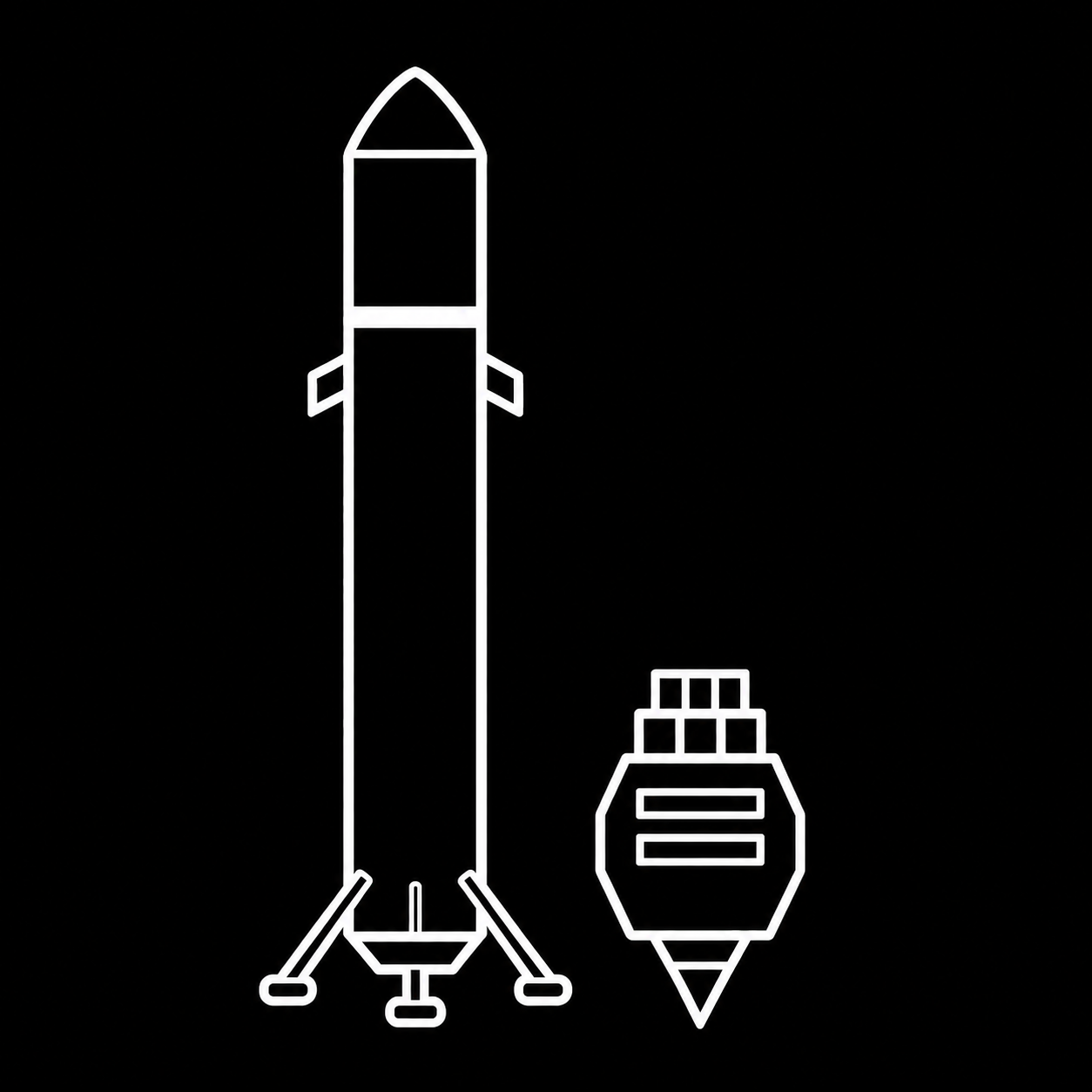
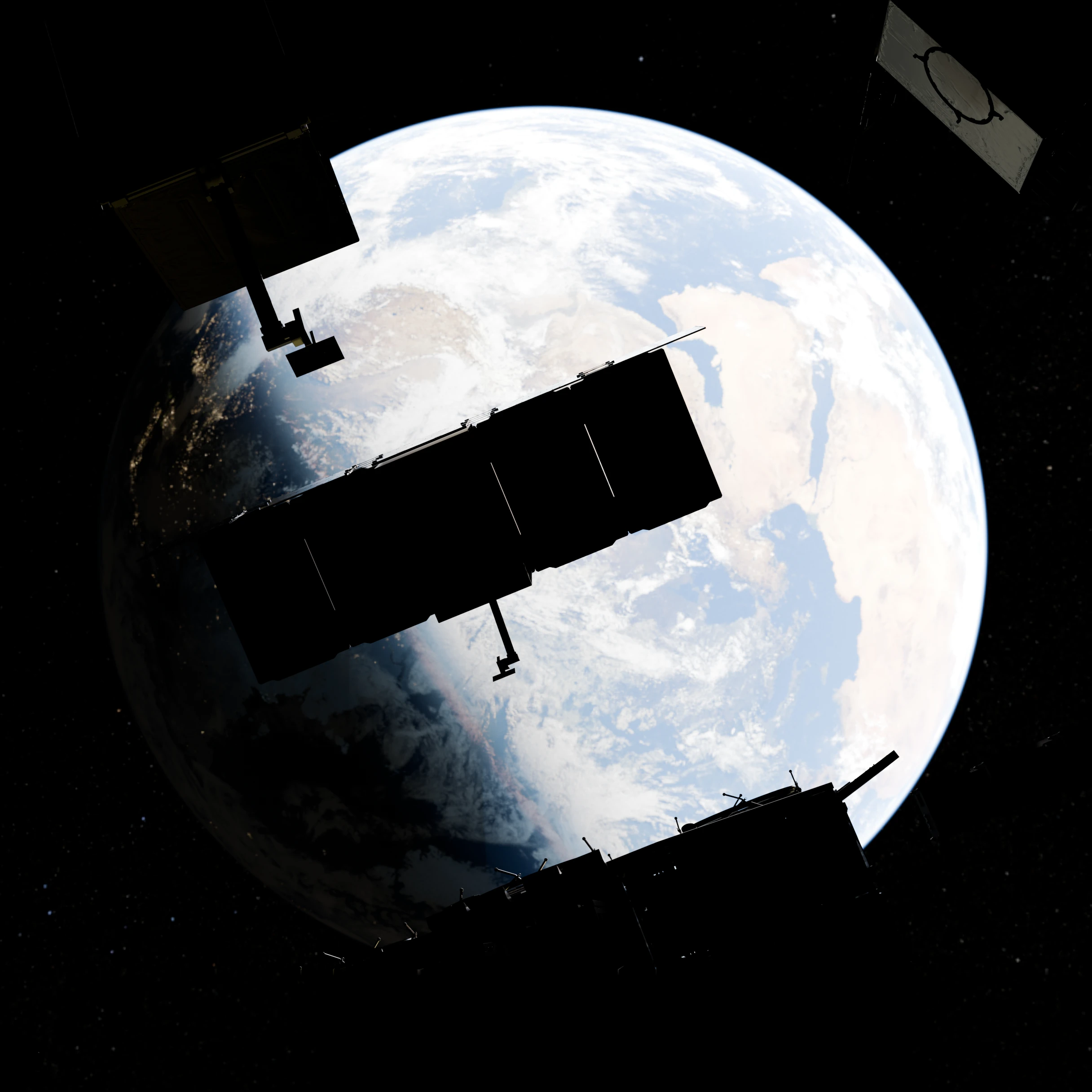
Heavy rideshare launcher with a MULE orbital transfer vehicle
What operators actually wantRideshare cost + dedicated precision
Last-mile transfer

The best of both approaches.

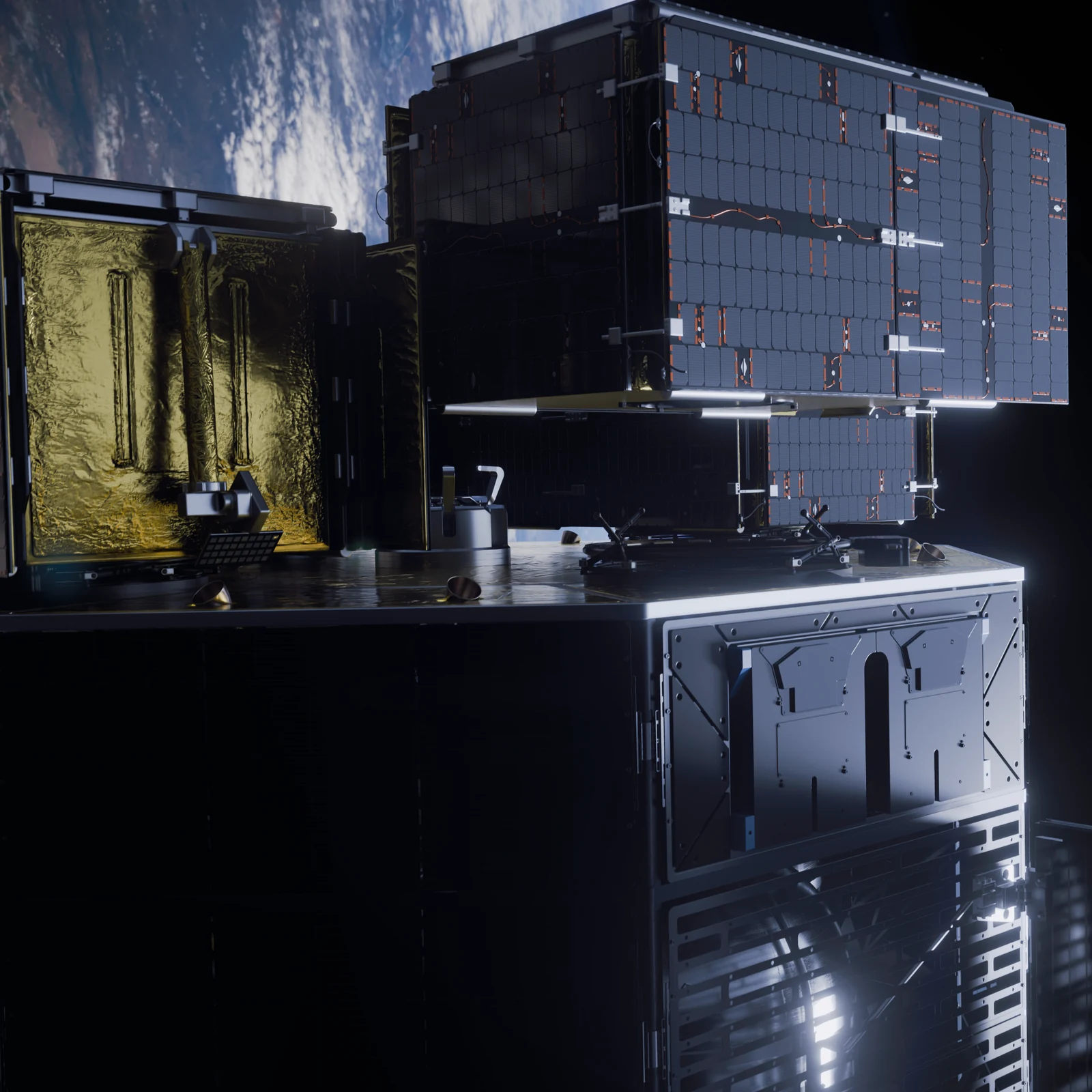
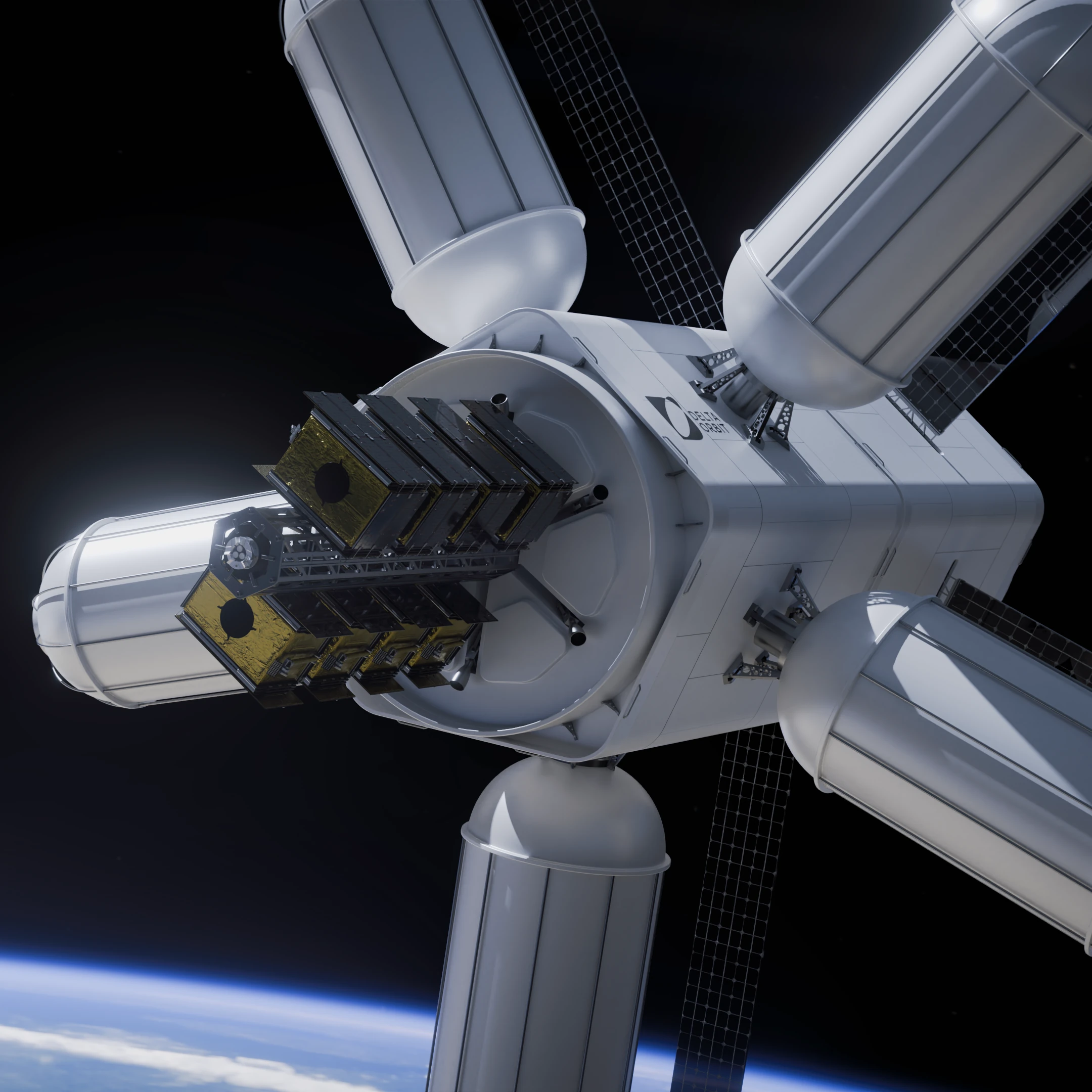
MULE – our Multi-Orbit Logistics Vehicle – rides to the drop-off orbit as one payload among many, then flies the last mile on its own methalox propulsion. One contract covers the launch slot, integration and delivery: rideshare cost, flexible deployment, low time to market.

01Rideshare launch

A cheap ride to a standard drop-off orbit, shared with dozens of other payloads.

02Last-mile transfer

Our MULE OTV carries your satellites from the drop-off orbit to their operating plane and altitude.

03Operating orbit

Deployed in weeks instead of months, without paying for a dedicated launch.

Why it works · the propulsion behind MULE

Commercially viable in-space logistics is fundamentally a propulsion problem: kilometres per second of Δv, high thrust for rapid transfers, and both at a cost constellation operators can sustain. No such system existed, so we built it – the Cryogenic Propulsion Module.

Cryogenic performance with storable readiness

The Cryogenic Propulsion Module architecture.

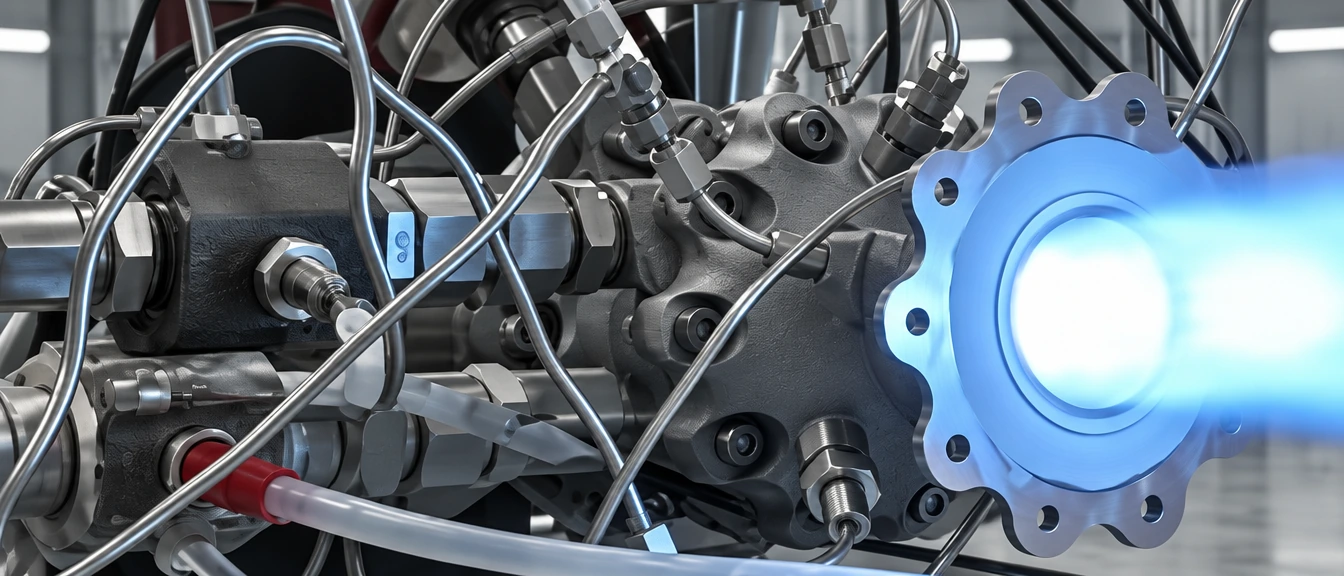
The CPM integrates resonance ignition, multi-phase cooling, self-pressurizing tanks and passive zero boil-off into one flight unit. Each subsystem enables and improves the others – together they form an architecture that maximizes simplicity without compromising on performance. Every DeltaOrbit product is derived from this module.

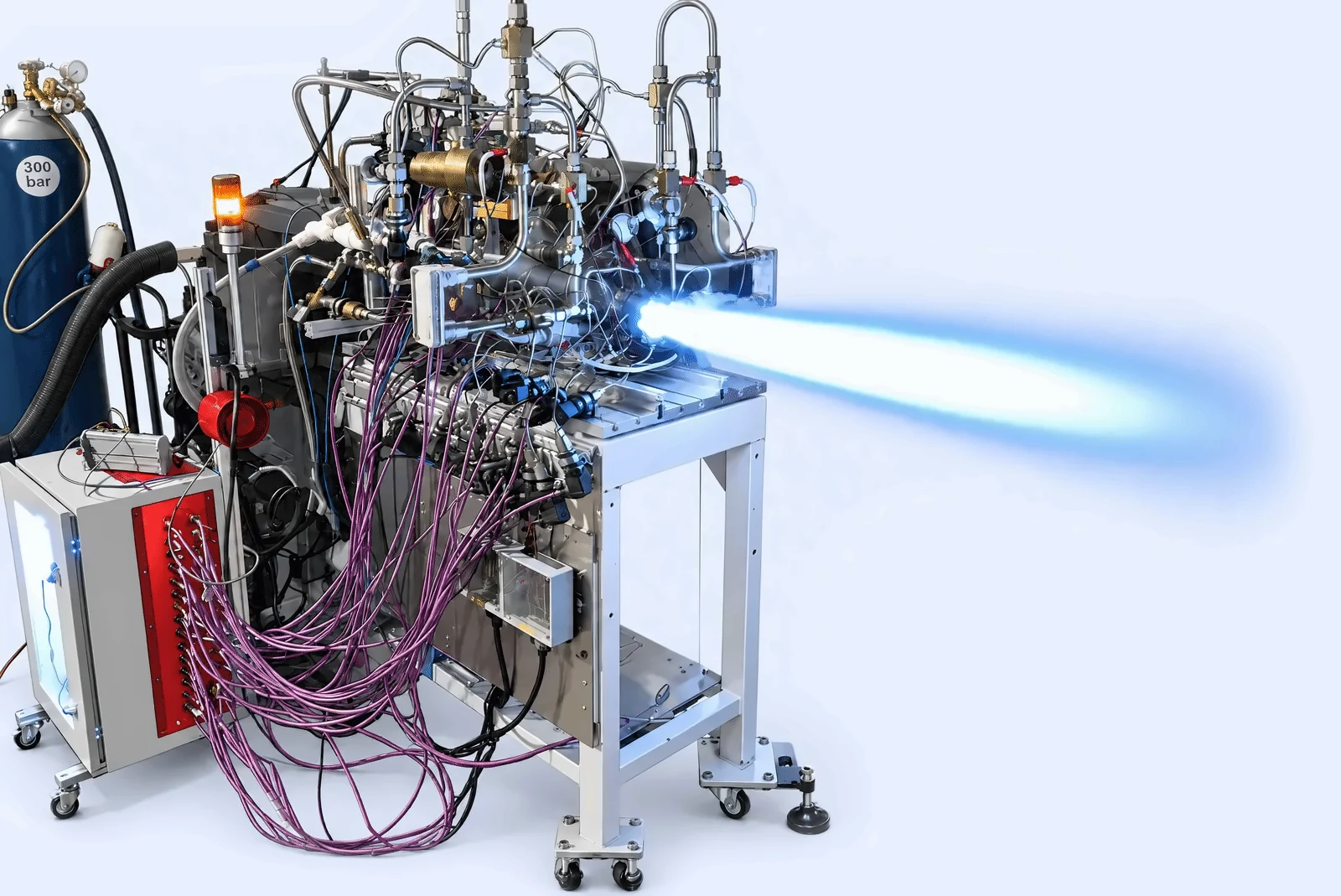
Integrated cryogenic propulsion module during a methalox hot-fire test
RIS · Resonance ignitionRestartable ignition

Ignition delay <25 ms – no external power required.

TCA · Multi-phase coolingBi-propellant regenerative cooling

Liquid, gas or two-phase – Isp >340 s.

APS · Self-pressurizing feedLow-complexity feed system

No pumps, no pressurant – low system complexity and mass.

ZBO · Passive zero boil-offMulti-year storage

Cryogenic propellant storage without cryocoolers.

150+accumulated ignitions
60+ minaccumulated hot-fire time
<25 msigniter ignition delay
TRL 4–5ground-proven

One core, four markets.

One propulsion core serves commercial deployment, launch and station propulsion, institutional high-Δv missions and sovereign multi-orbit capability.
The subsystem products

Proven building blocks, sold as products.

The same subsystems that power our own vehicles, available individually for yours.

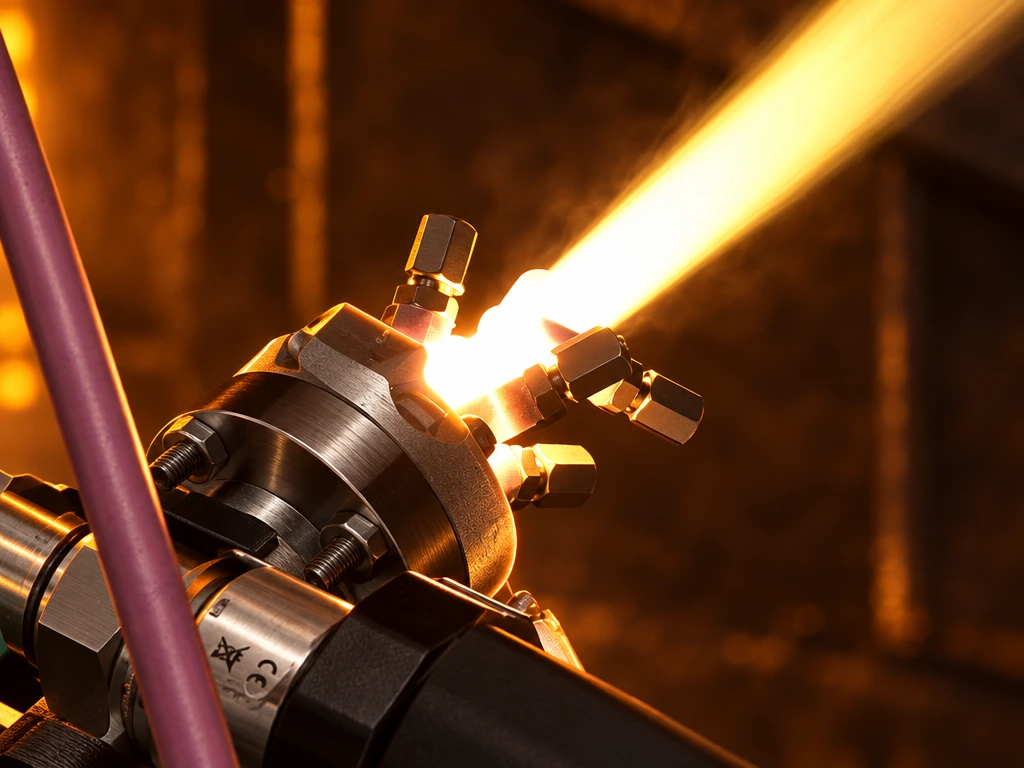
G500 cryogenic gimbal thrusterG500Gas-gas thruster

Launcher RCS · station orbit maintenance

250–700 N · Isp >340 s · pulse-mode capable
G25 cryogenic thrusterG25Gas-gas thruster

Station and launcher attitude control

25 N · Pulse-mode optimized
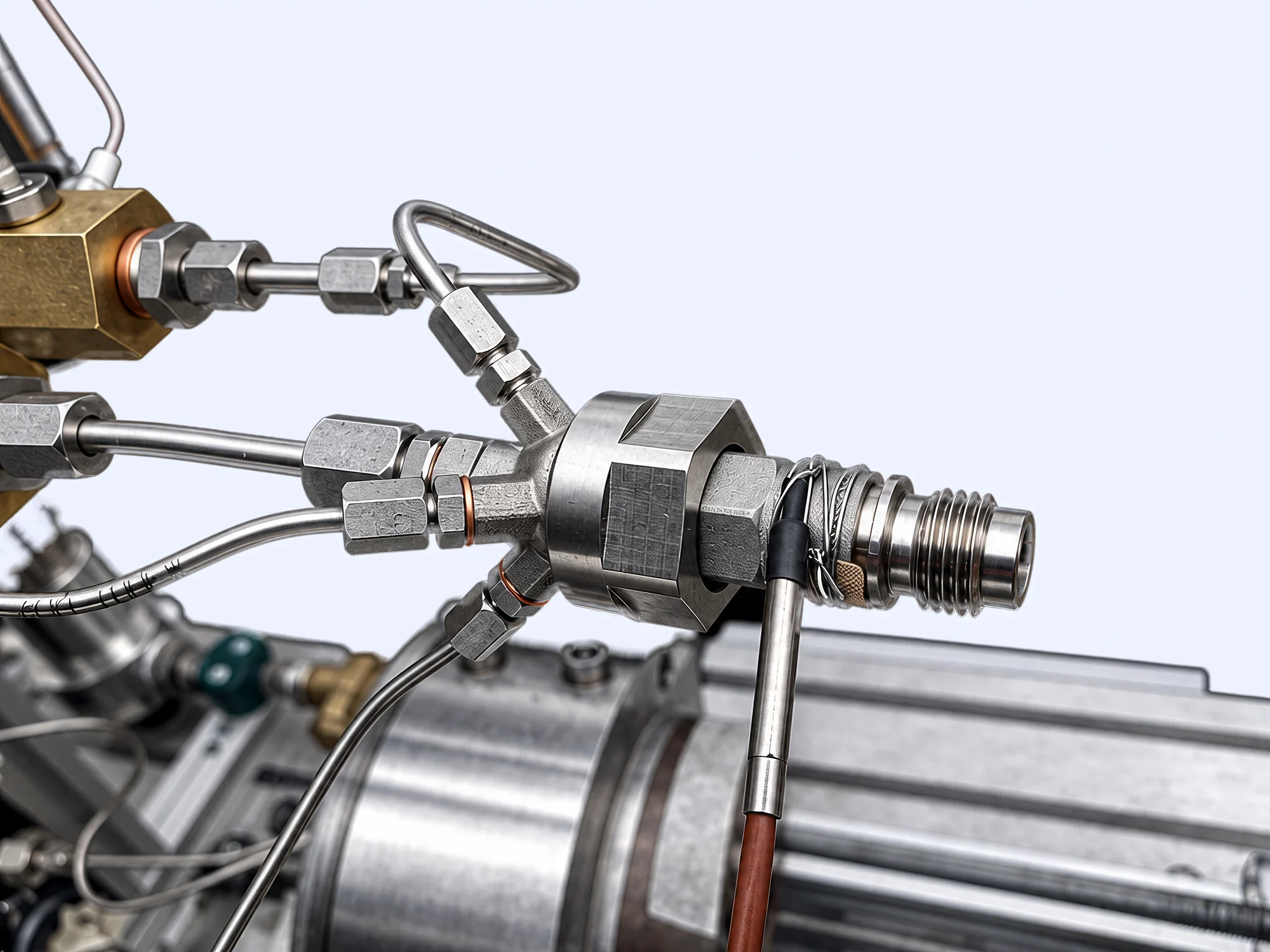
IG40 ignition systemIG40Resonance igniter

RCS thrusters

40 kW · passive, quasi-hypergolic ignition
FARISFuel-agnostic resonance igniter

Mainstage engines

~200 kW class · in development
The company

Propulsion first. Founded as a TUM spin-out.

An engineer-led team in Garching near Munich, profitable on non-dilutive funding since 2025, building the propulsion that everyone serious about in-space logistics needs – and the vehicles that nobody else can.

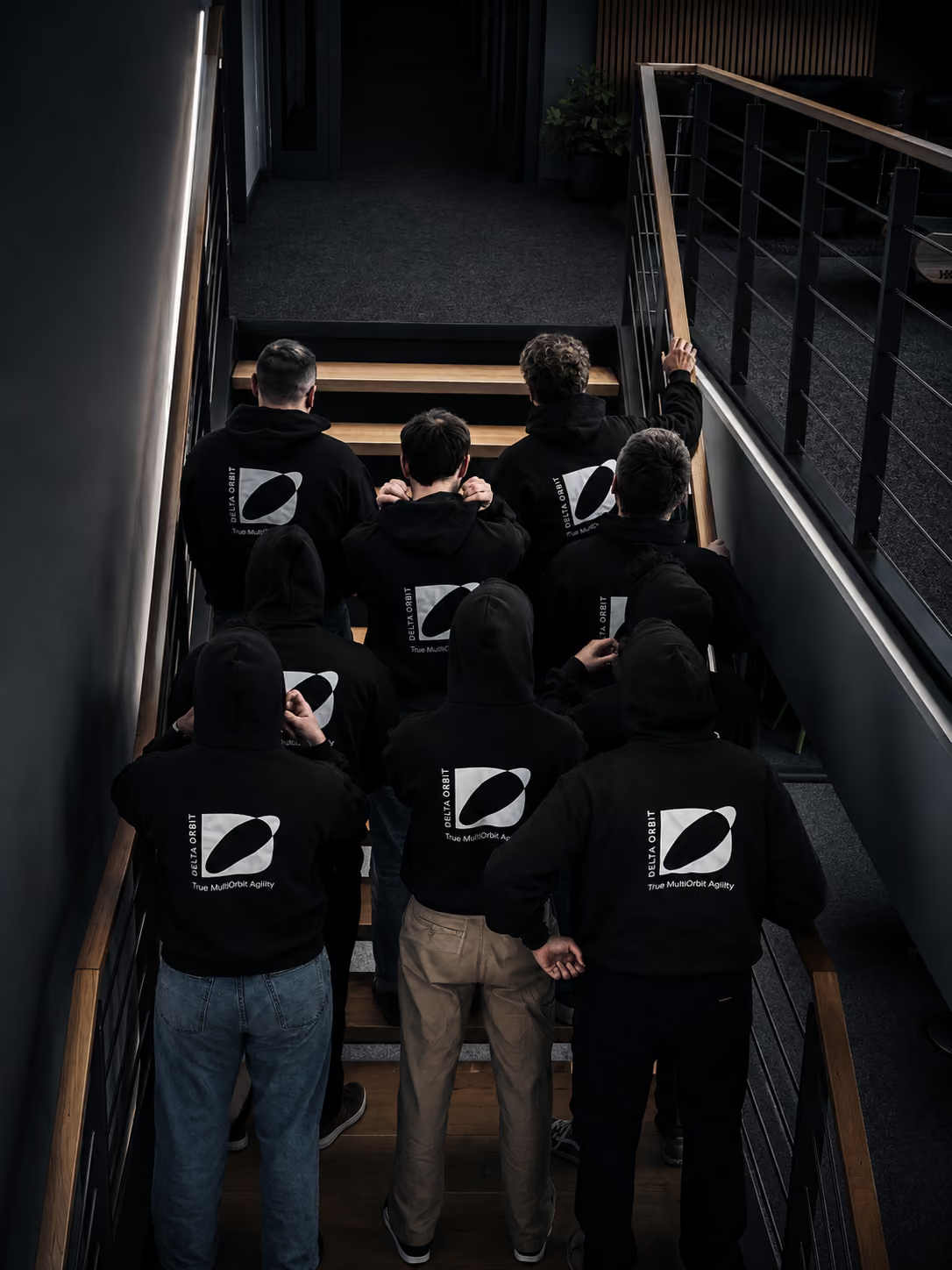
Seven people in black hoodies with Delta Orbit logos standing on stairs facing away.
Founded2023 · TUM spin-out
FinancialsProfitable since 2025
LocationGarching, Munich
Non-dilutive funding≈€5M to date
Every Orbit. On Time.
We unlock orbital logistics.