

G500
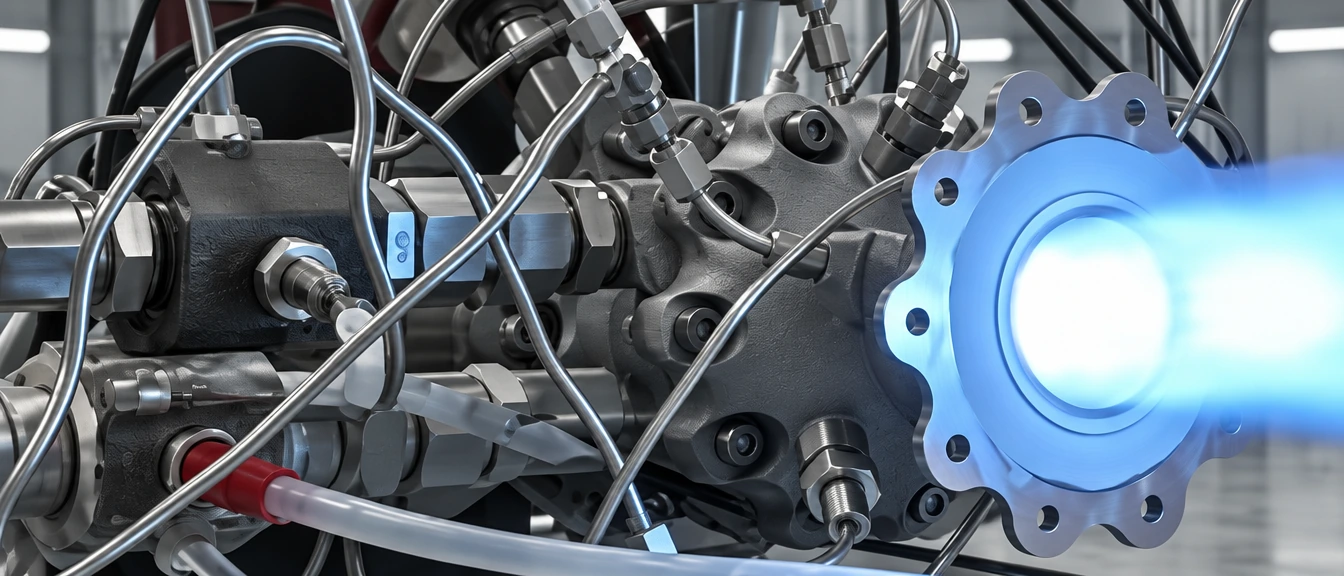
Gas-gas thruster
Launcher roll and attitude control
250–700 N · Isp >340 s
>150 cycles · >1,800 s single burn
TRL 4 · ground-tested


Solutions
Problem
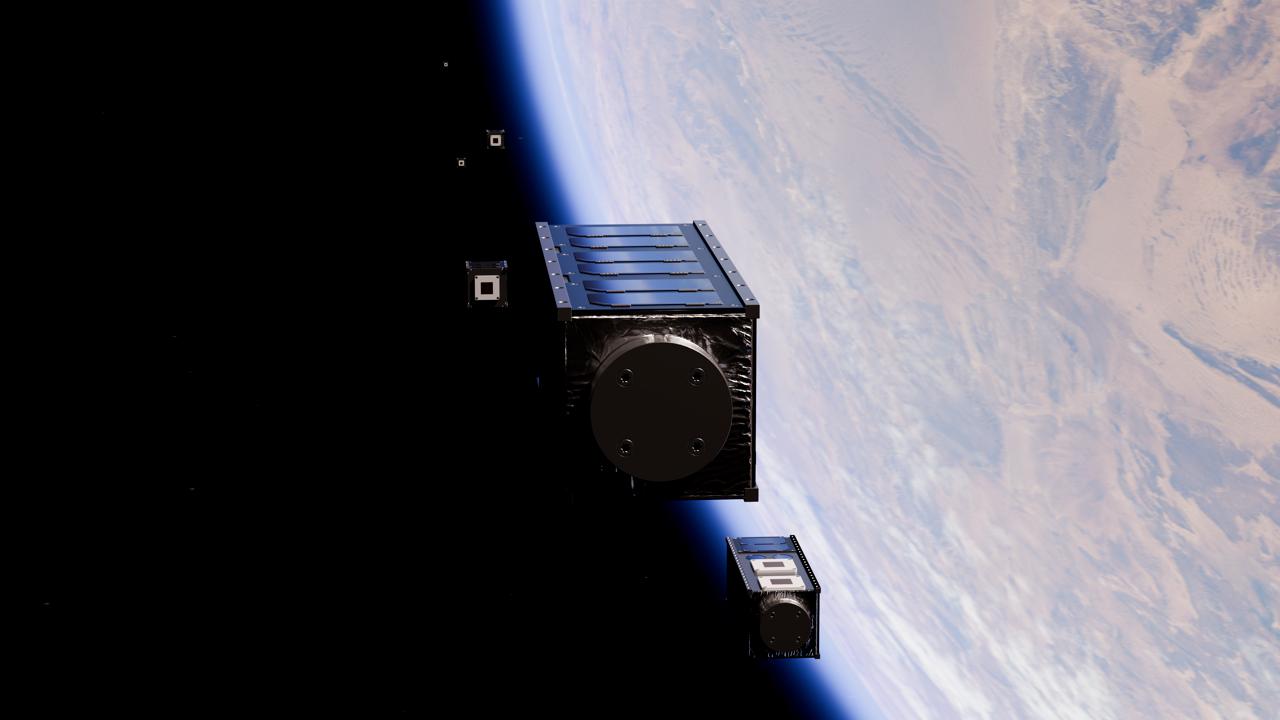
Rideshare launches are cheap, but every payload is dropped in the same standard orbit. Reaching the target plane and altitude afterwards costs months of low-thrust drift – or the price of a dedicated launch.
DeltaOrbit solution
One launch. Several planes. Weeks, not months.
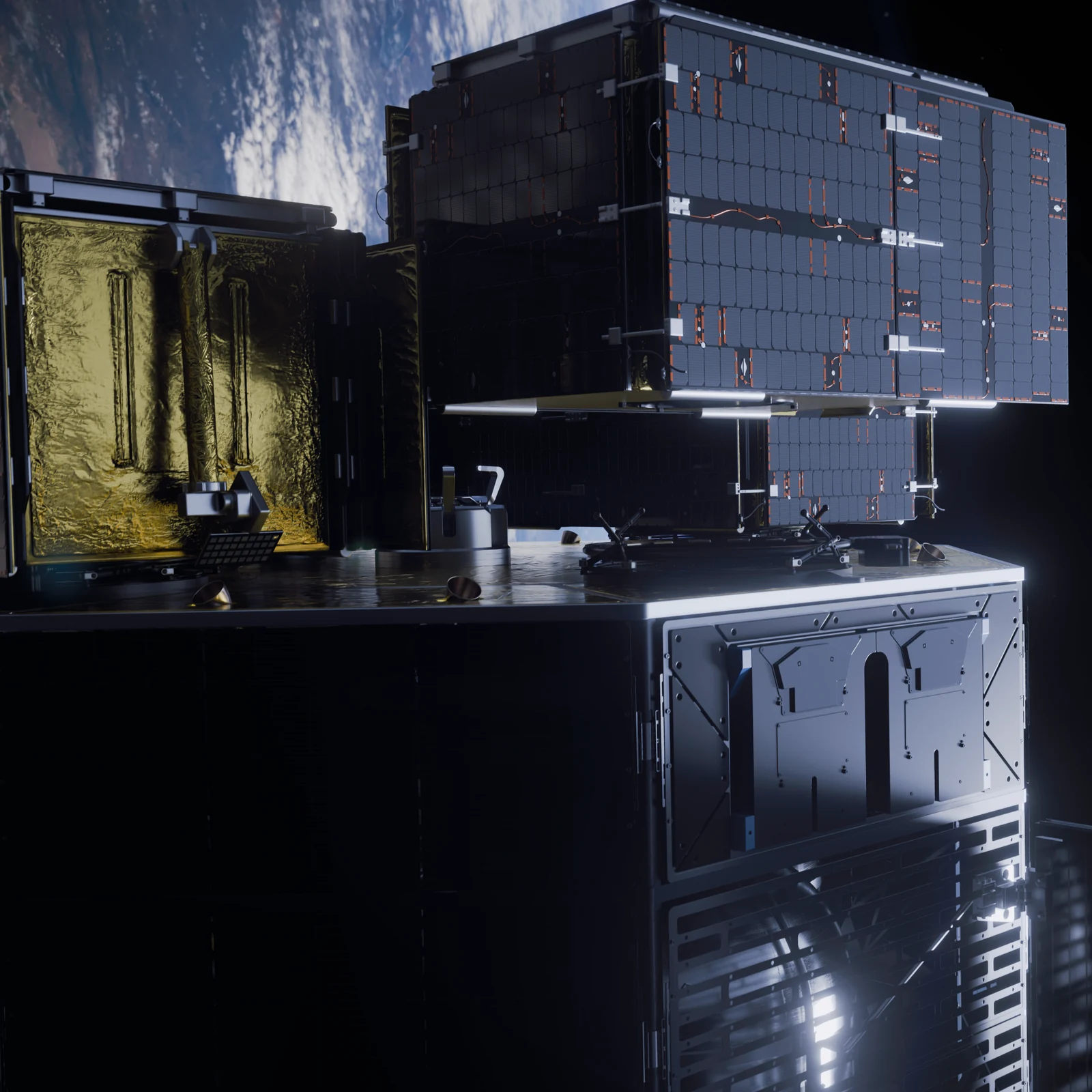
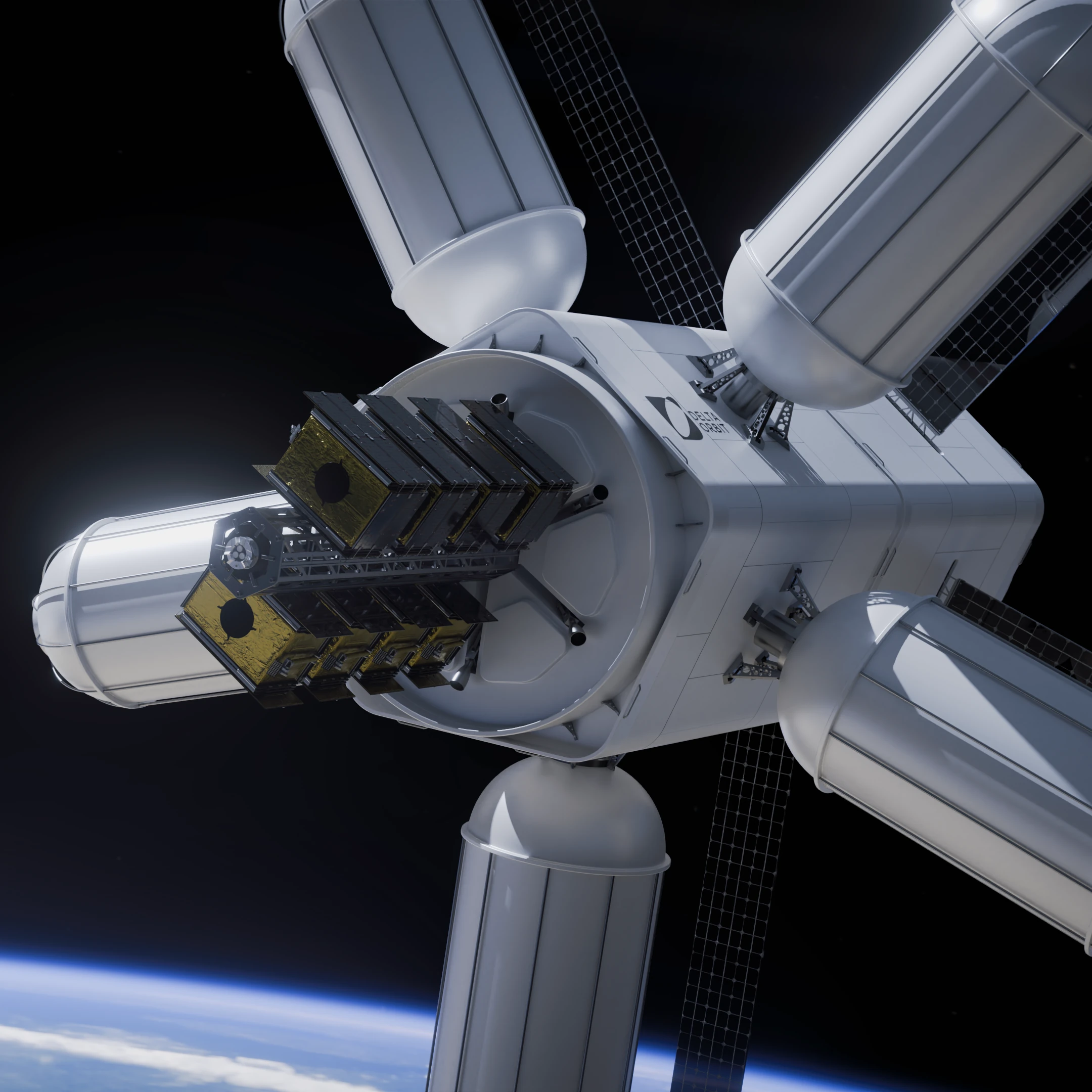
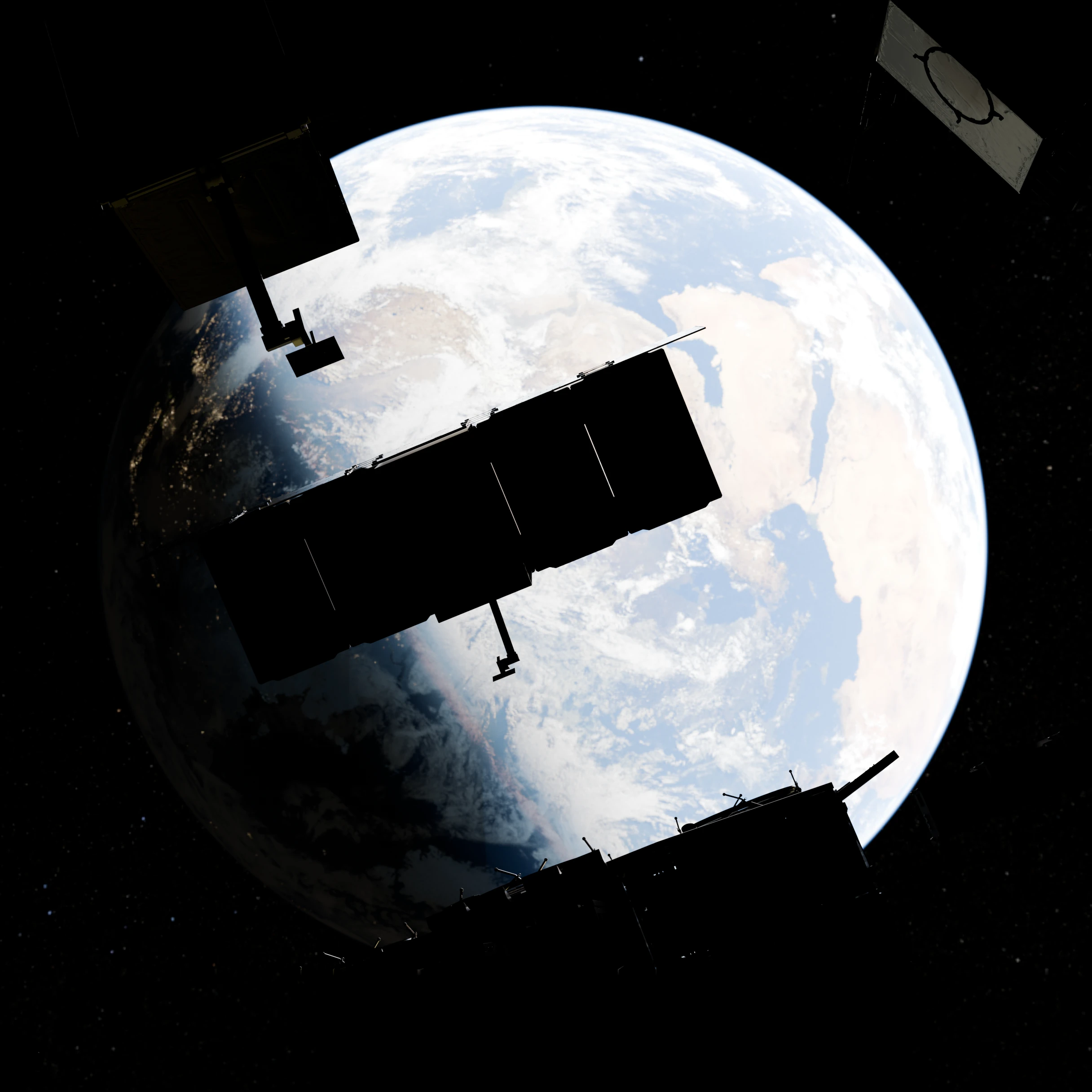
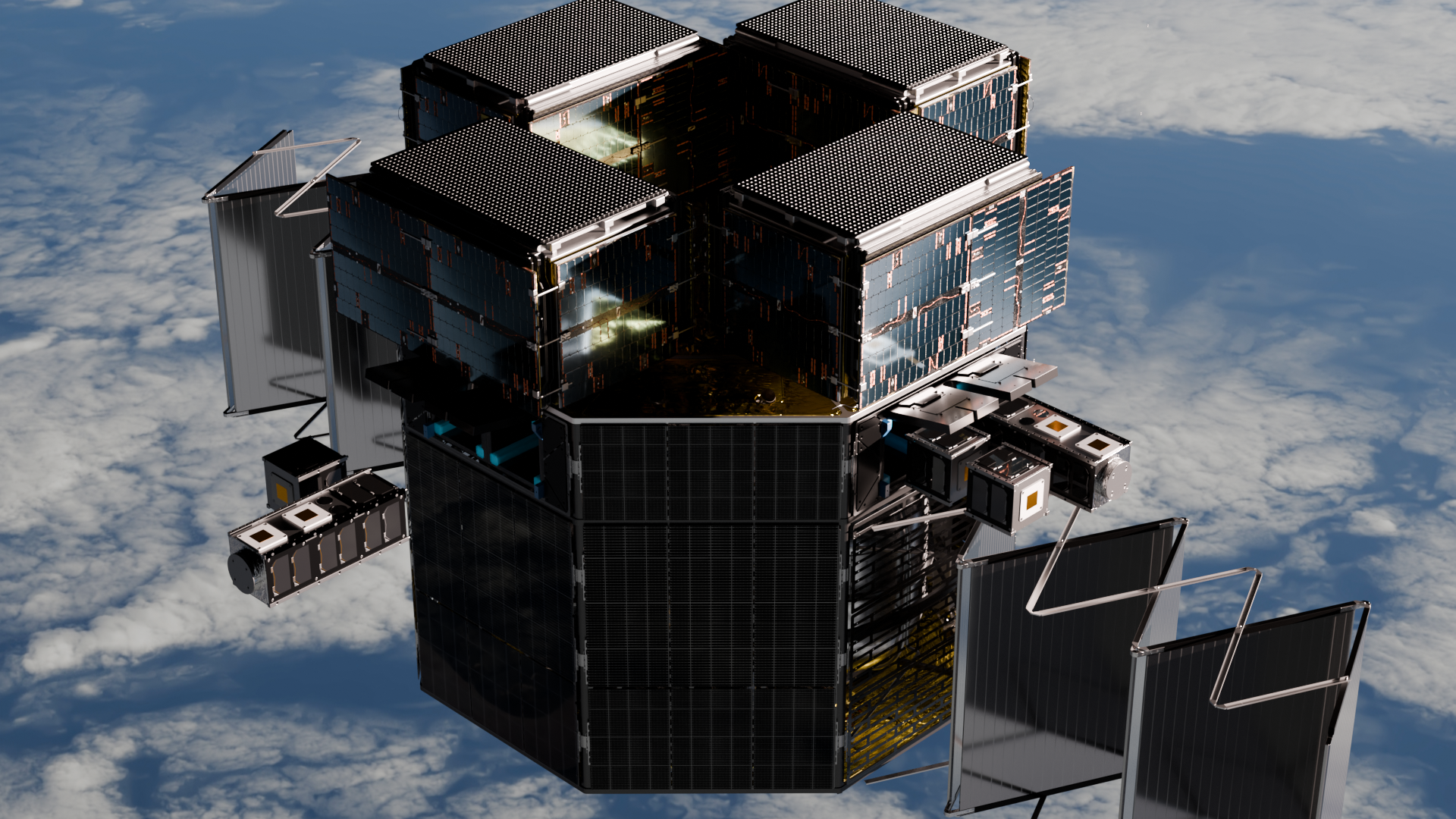
We book the rideshare slot, integrate your satellites and fly them from the drop-off orbit to where they earn revenue – up to 340 kg per mission, across several planes and altitudes, in weeks rather than months. You receive each spacecraft already in its operating orbit.
The vehicle · MULE – Multi-Orbit Logistics Vehicle
One contract – launch, integration, delivery
Deployment sequenced across planes and altitudes
Flown on our own ground-proven methalox core
Payload
up to 340 kg
Δv
up to ~2.4 km/s
Time to operating orbit
days to weeks, not months
Reach
multiple planes and altitudes from one launch
Isp (methalox)
>340 s
On-orbit storage
multi-year, passive
Status
Cryo demo 2028 · first flight ~2029
Problem · Launch vehicles
A methalox launcher today either uses inefficient cold-gas thrusters for roll and attitude control, or carries a second, storable propulsion system just for it. Both add parts, interfaces and another constrained resource.
DeltaOrbit solution · Launch vehicles
Gas-gas methalox thrusters run the RCS on the propellant the main stage already carries – non-toxic, restartable, no second fluid system. G500 delivers 250–700 N with a minimum impulse bit below 9 Ns; G25, at 25 N, is the smallest methane/oxygen engine ever produced.
Problem · Space stations
Resupplying water and food is routine; resupplying propellant is not. Every kilogram burnt on attitude control and orbit maintenance has to be launched, docked and transferred first.
DeltaOrbit solution · Space stations
The same thrusters let a station make its own propellant. A Sabatier reactor turns crew-exhaled CO₂ and hydrogen from water electrolysis into methane and oxygen – so reboost becomes part of the life-support loop instead of a resupply line item.
Gas-gas thruster
Launcher roll and attitude control
250–700 N · Isp >340 s
>150 cycles · >1,800 s single burn
TRL 4 · ground-tested
Gas-gas thruster
Station and launcher attitude control
25 N · resonance ignition
Smallest methalox engine ever produced
TRL 3 · in hot-fire testing
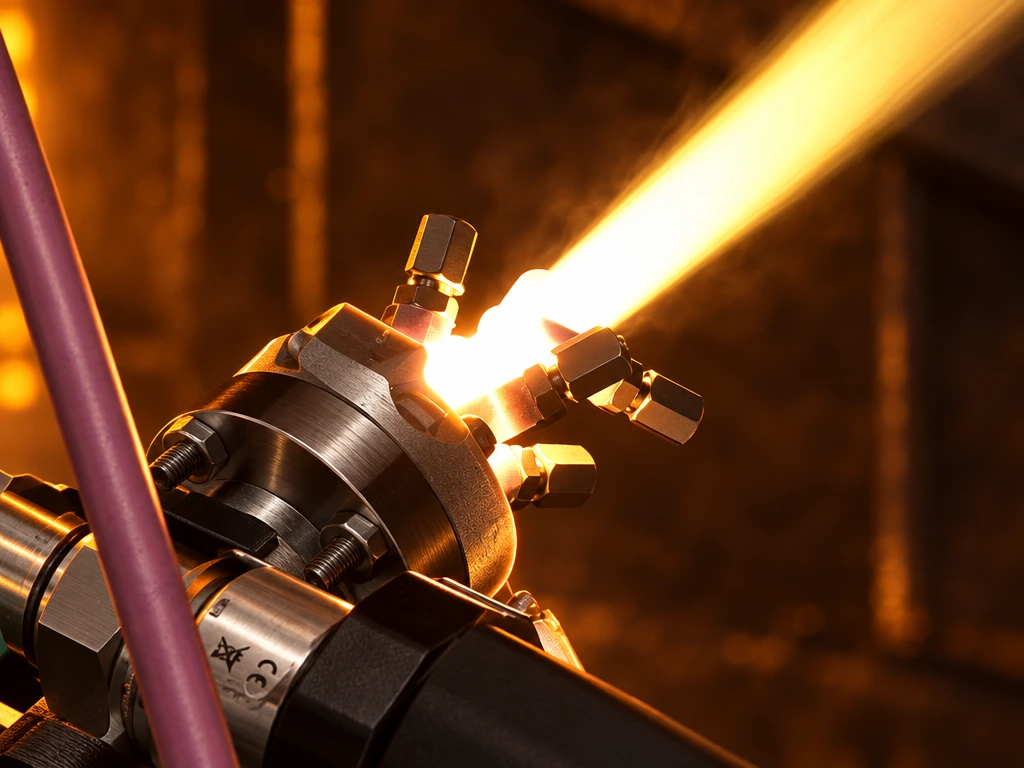
Resonance igniter
RCS thrusters and mainstage engines
40 kW · <25 ms
No power, no pyrotechnics, unlimited restarts
TRL 4 · qualified CH₄/O₂ · patented
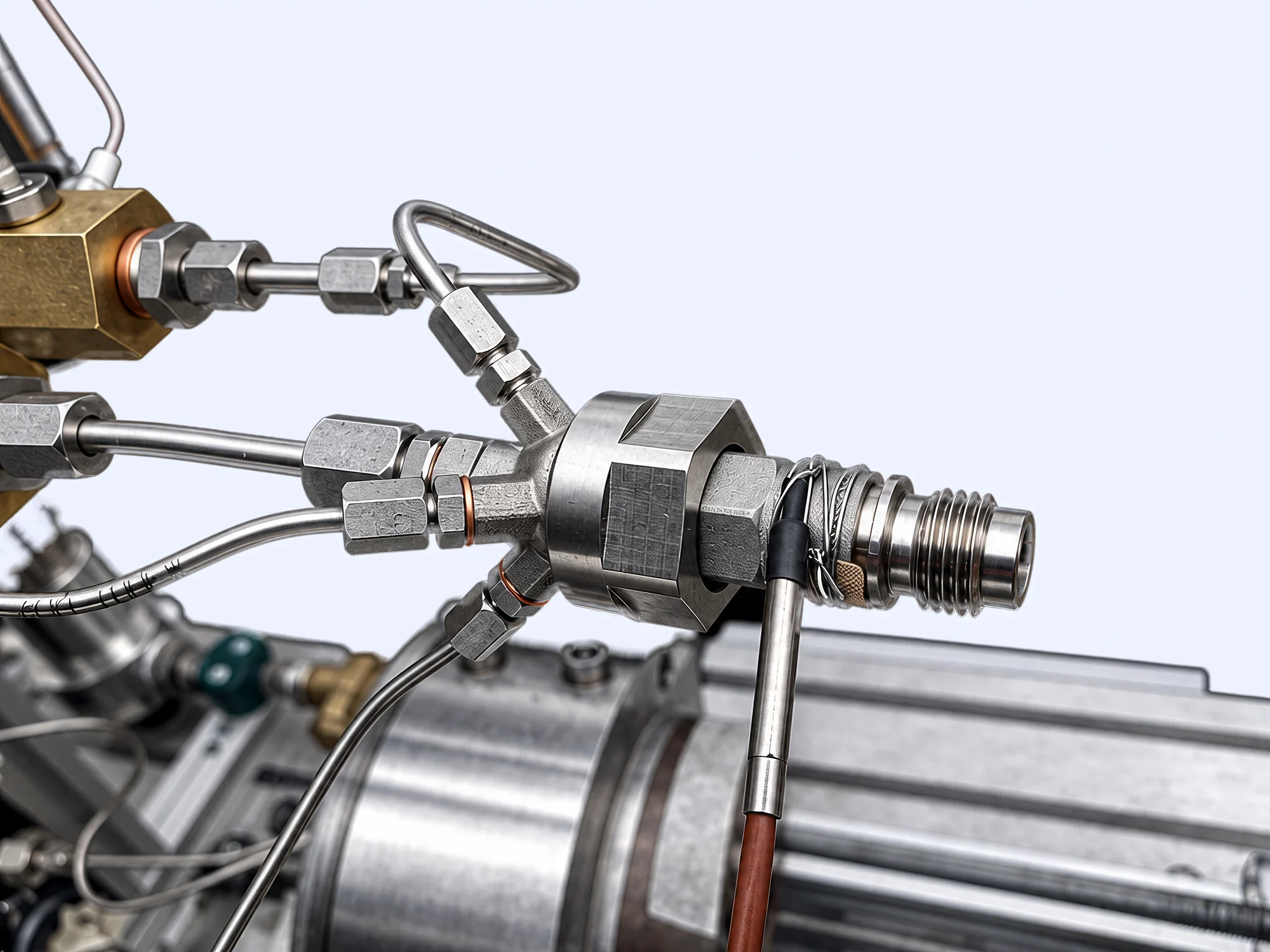
Mission need
Each mission class asks for something different. Transfer stages need specific impulse above all. Landers need deep throttling for descent. Deep-space probes need propellant that is still there after months of coast. And all three need a European supply chain.
DeltaOrbit solution
The Cryogenic Propulsion Module answers all three at once, sized to the mission. Methalox gives Isp above 340 s. Fixed-geometry injectors throttle better than 10:1 with no moving parts. Passive zero boil-off keeps tanks full through a multi-month cruise, with no coolers to fail. L500 and L25k are the same architecture at 500 N and 25 kN, sharing tanks with the G-series RCS thrusters.
Made in situ
The thrusters also run on CO/O₂, which can be produced from the Martian atmosphere – so a return stage need not carry its ascent propellant from Earth. The same zero-boil-off tanks liquefy and store ISRU propellant on the Moon and Mars for as long as the mission needs it.
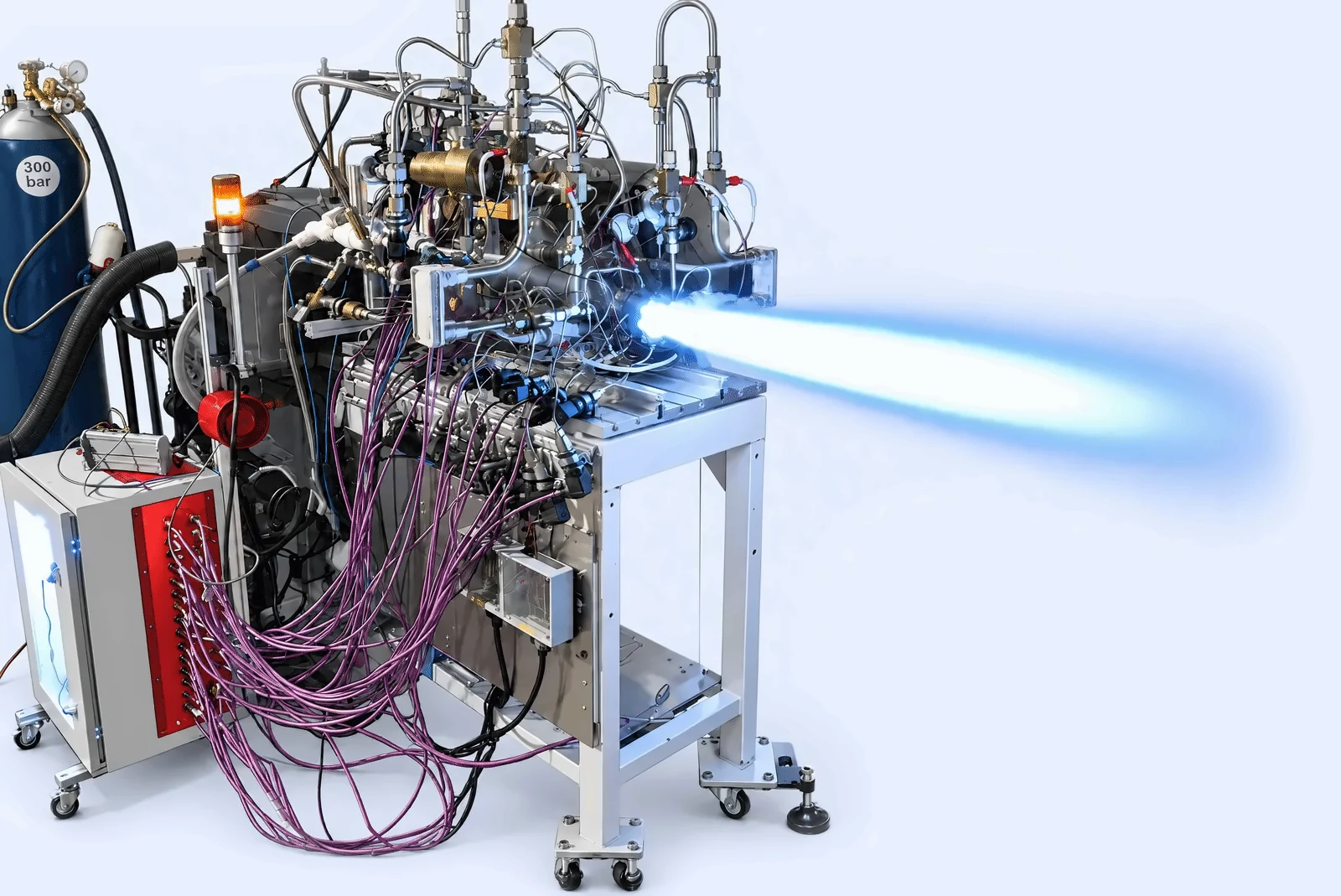
Liquid main engine
Tug and transfer-stage propulsion
500 N · Isp >340 s
<1 kg · phase-agnostic
TRL 4 · >100 cycles fired
Liquid main engine
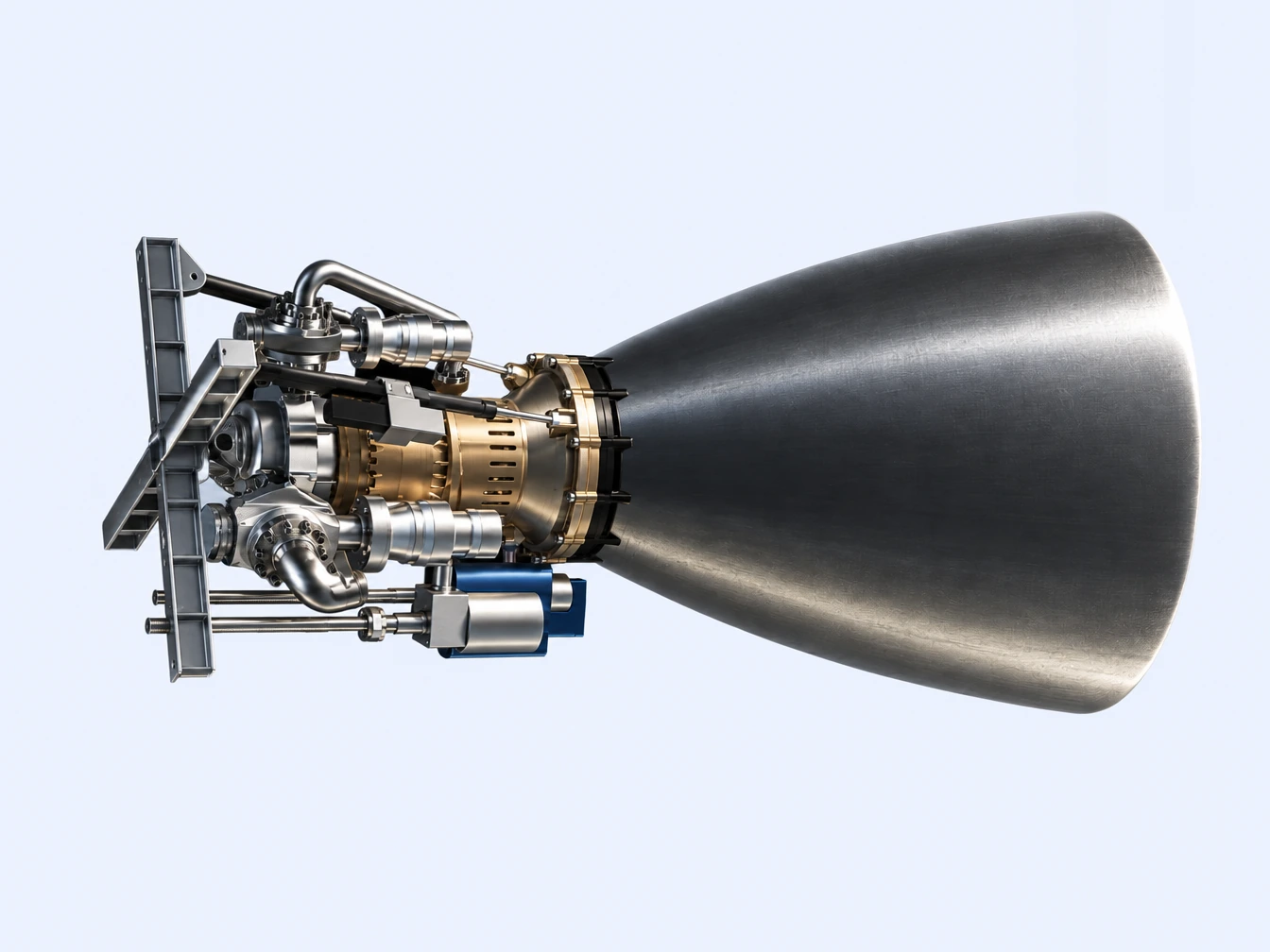
Lunar descent · heavy transfer stages
25 kN · >10:1 throttle
46 kg · turbopump-free
PDR completed 11/2025
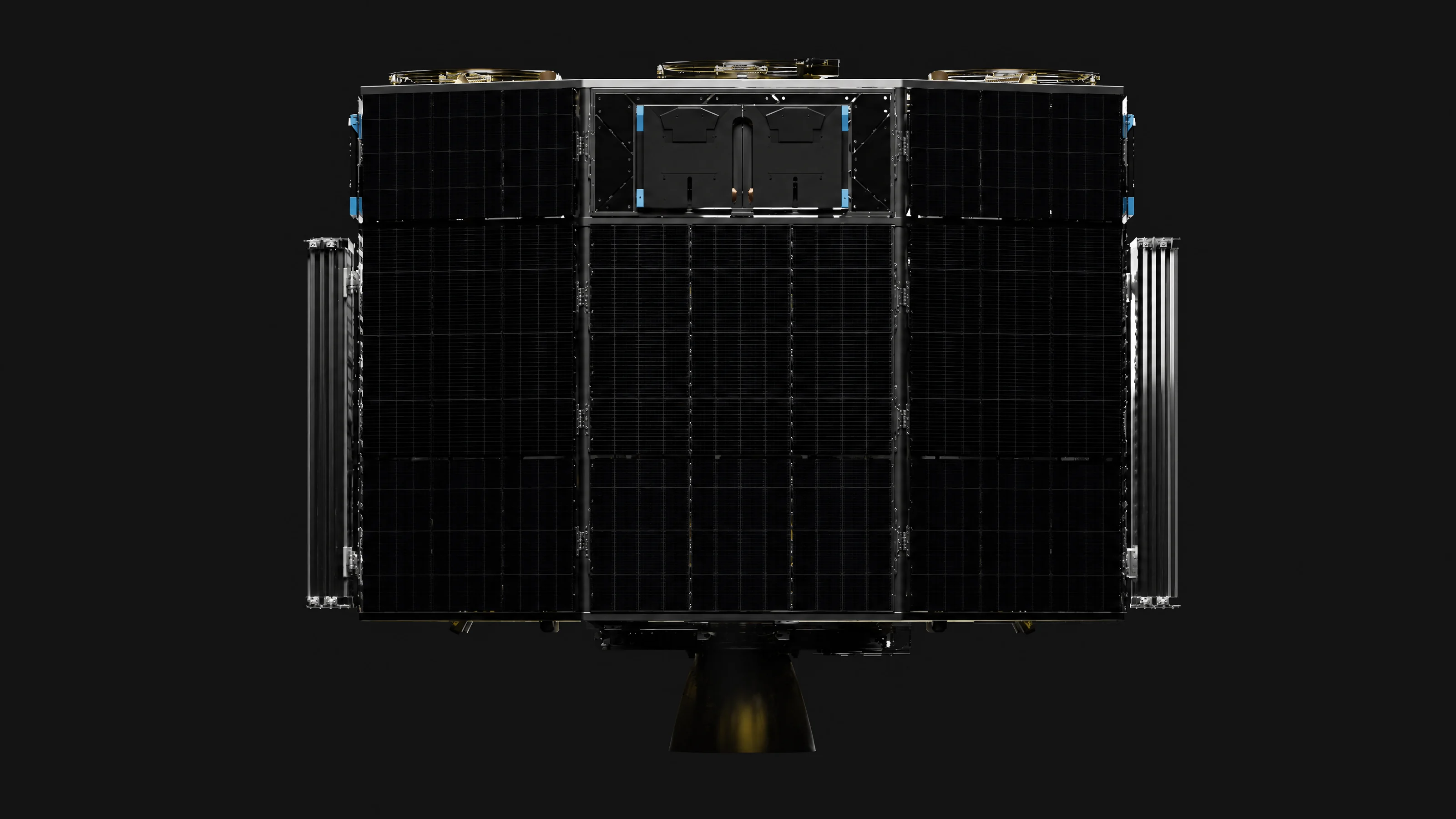
Sovereign operators need spacecraft that can remain available, reposition when required and operate across changing mission environments. We build MOLE, the Multi-Orbit Loitering Element, to give sovereign operators true multi-orbit agility.
Pre-positioned in orbit, MOLE sits on full tanks for years – passive zero boil-off needs no coolers. When tasked, it changes orbit under its own high-Δv methalox propulsion: multi-orbit operations, not a single fixed patrol, with no dependence on a launch pad being available. Currently in pre-design.
Long-duration readiness
Multi-year storage of cryogenic propellant with no active refrigeration and no top-up.
Responsive repositioning
Restartable ignition and high thrust-to-mass move payloads in days, not months.
Multi-orbit mobility
Plane and altitude changes across LEO and beyond on one propellant load.
