One integrated methalox architecture

Connecting ignition, cooling, propellant management and long-duration thermal control. An architecture that maximizes simplicity without compromising on performance.

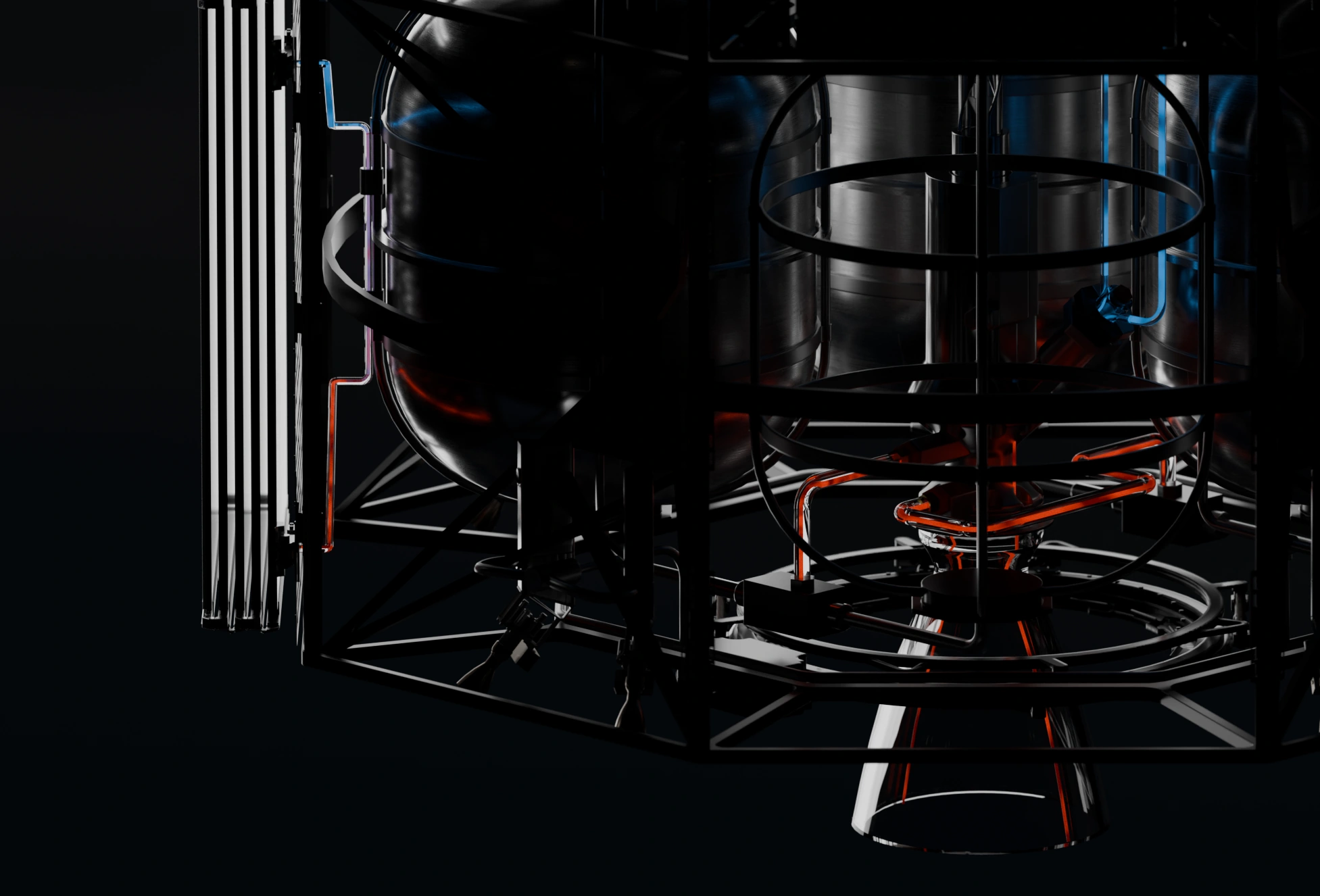
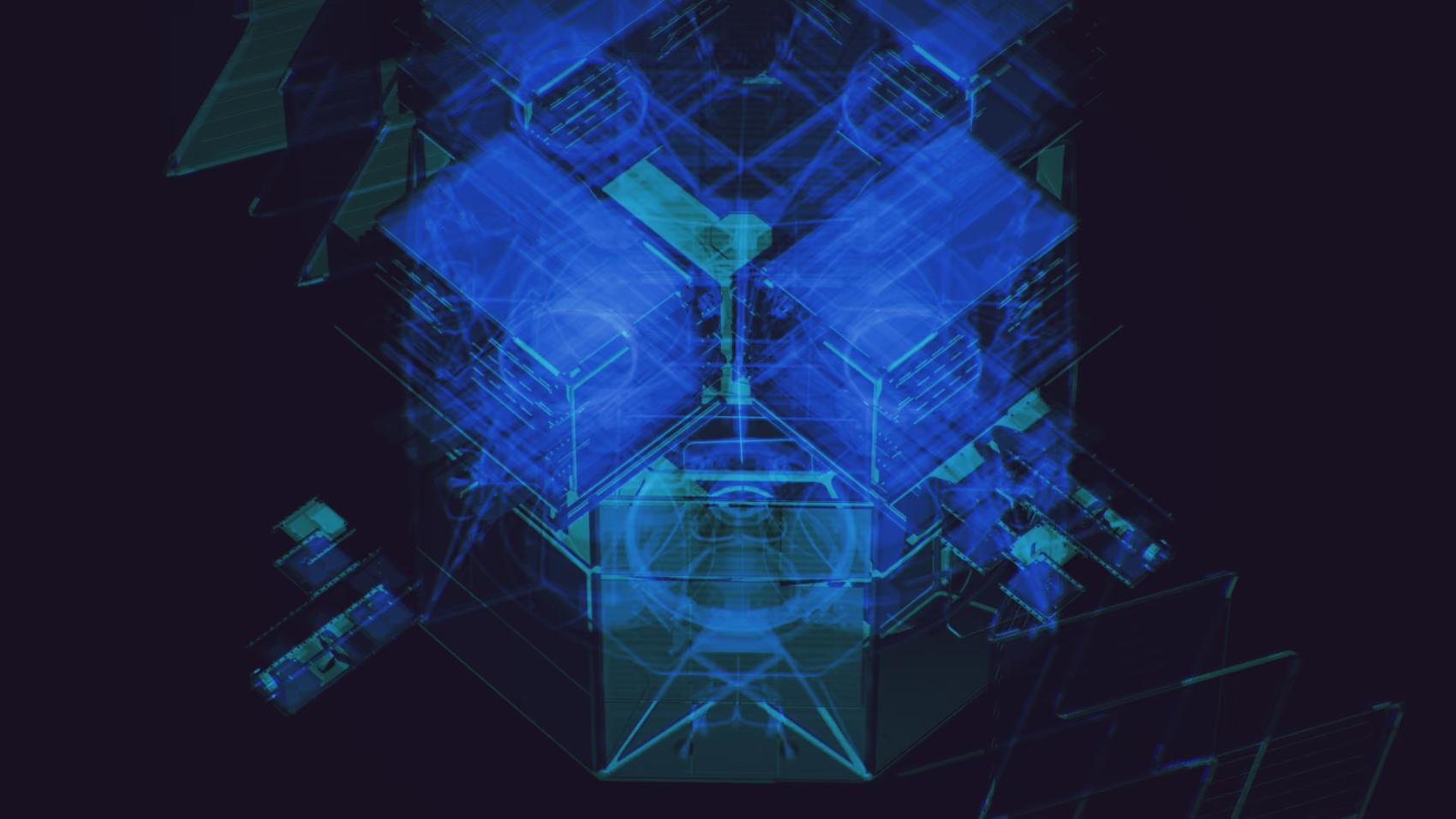
Methalox engine architecture visualisation
The Cryogenic Propulsion Module

Four subsystems, one module.

Self-pressurizing tanks eliminate pumps and pressurant, and they deliver propellant in whatever phase is needed. The igniter and the RCS thrusters run directly on the ullage gas above the liquid. Multi-phase cooling is what lets the main engine ingest the rest – liquid, gas or two-phase – and burn it without instability.

CPM / PROPULSION ARCHITECTURE
01 / RIS

Resonance
ignition.

Ullage gas drives acoustic resonance to initiate combustion. Restartable ignition, without electrical power or consumables.

IG40 IGNITION<25 ms
IGNITER POWERNone
LOXLCH₄GASSELECT A SUBSYSTEM TO EXPLORE
Schematic: separate LOX and methane tanks supply gas to resonance ignition and RCS, and liquid to the main engine cooling jackets. Cooling channels lead toward the injector. Heat pipes connect both insulated tanks to a passive radiator. Blue indicates liquid oxygen; red indicates liquid methane. Dotted neutral lines indicate gas. Both cooling paths become neutral before reaching the injector as vapor.
01 · Ignition

Resonance ignition

Acoustic resonance heats the propellant to auto-ignition in under 25 ms – quasi-hypergolic, restartable – no electronics, no consumables. Patented.

02 · Cooling

Multi-phase cooling

The propellant evaporates inside the regenerative cooling channels – entering as liquid, gas or anything in between – and arrives at the injector ready to burn. The engine stays small and phase-agnostic.

03 · Propellant management

Self-pressurizing feed

Tank pressure comes from the propellant itself. No pumps, no pressurant tanks, no turbomachinery – fewer parts to fail and less dry mass to carry.

04 · Thermal control

Passive zero boil-off

Multi-year cryogenic storage, fully passive – no coolers, no active refrigeration.

Common core

The same four subsystems, re-sized per mission: sold as G500 · G25 · IG40 · FARIS, scaled up as L500 and L25k, and built into the vehicles we fly ourselves.
Subsystem 01 · RIS – Resonance Ignition System

An igniter that needs no power.

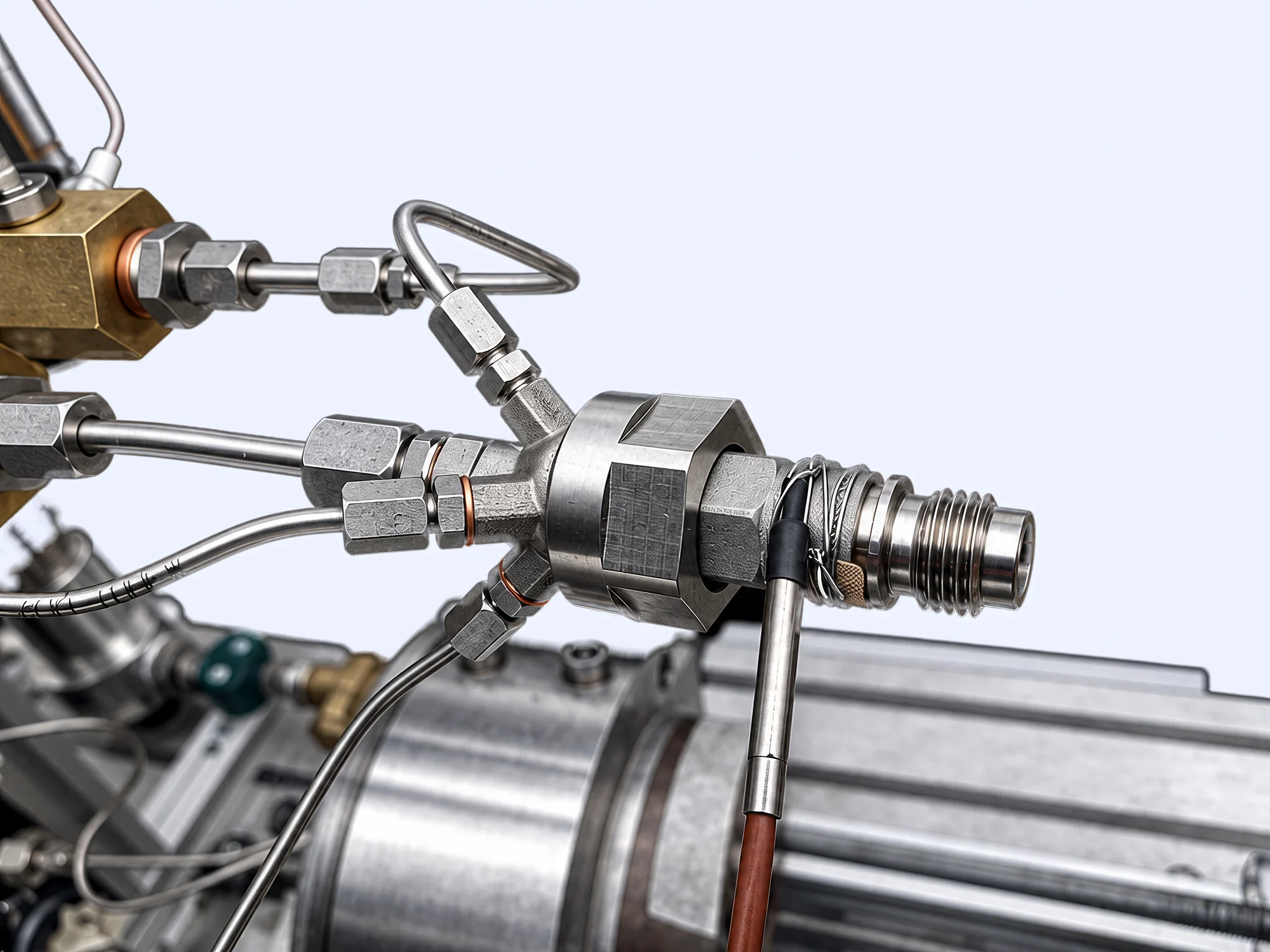
A supersonic free jet impinges on a resonance cavity; the oscillations dissipate the jet’s kinetic energy and heat the gas beyond auto-ignition – with no pyrotechnics, no igniter fluid and no electrical power. DeltaOrbit achieved the world-first resonance ignition of methalox, and the principle is patented.

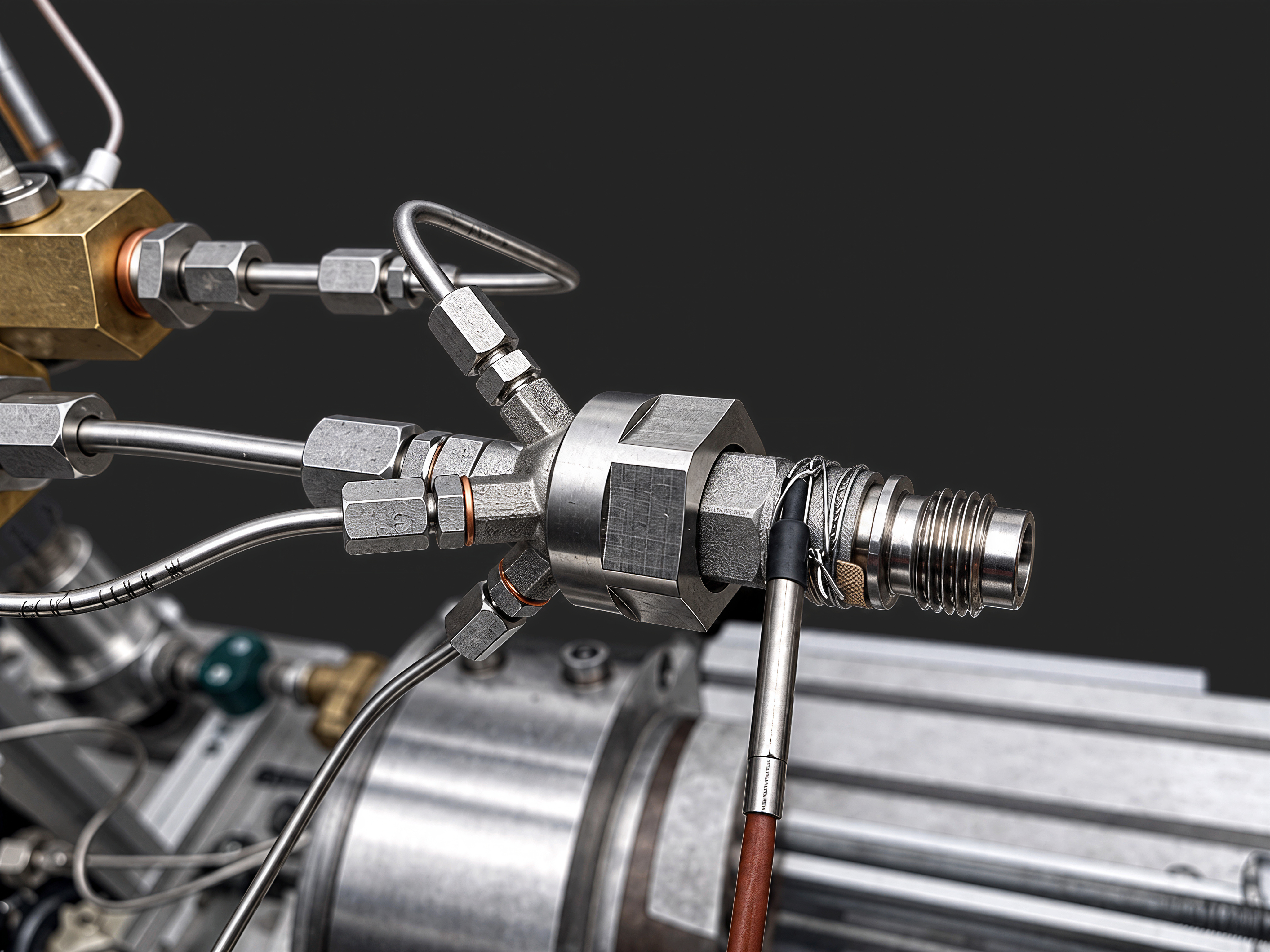
The standalone IG40 module ignites in under 25 ms with essentially unlimited restarts – no high voltage, no degrading catalyst, no single-shot pyrotechnics. A thruster fed by it reaches full ignition in about 50 ms. IG40 is qualified for methane/oxygen; FARIS, the larger fuel-agnostic unit for launcher main engines, extends the principle to hydrogen, propane and kerosene.

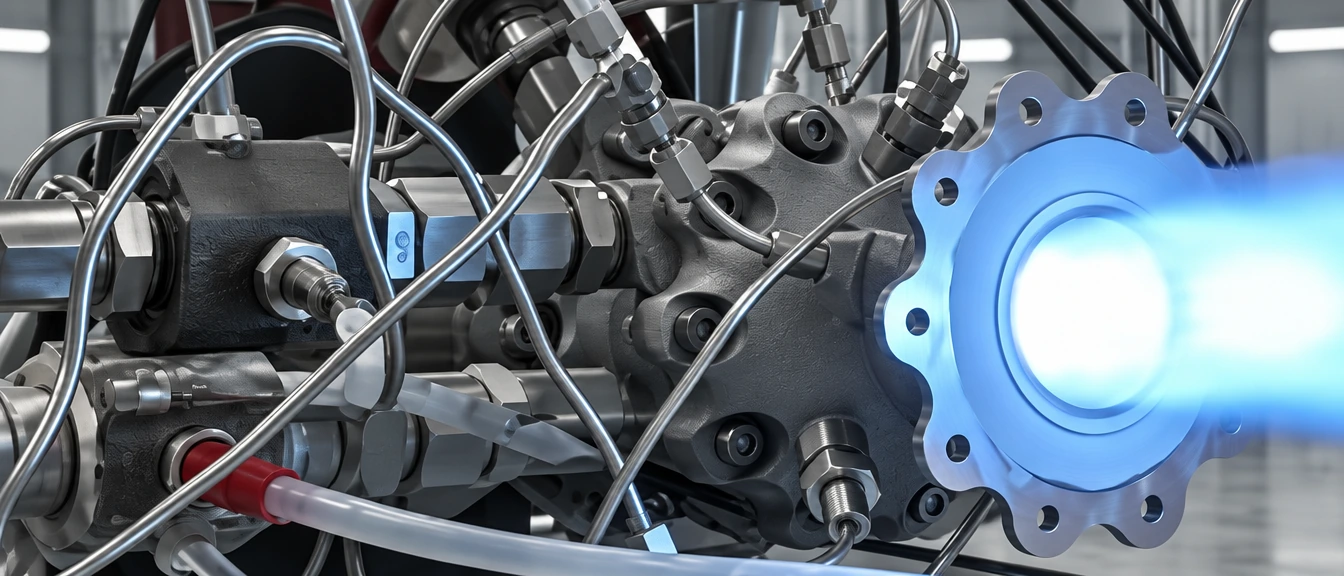
Resonance igniter on the test bench
Igniter ignition delay<25 ms
Thruster ignition delay~50 ms
Power at ignitionNone
IPPatented
Qualified propellantCH₄/O₂ · FARIS extends to H₂, C₃H₈, kerosene
Subsystem 02 · TCA – Thrust Chamber Assembly

A thruster that does not care about propellant phase.

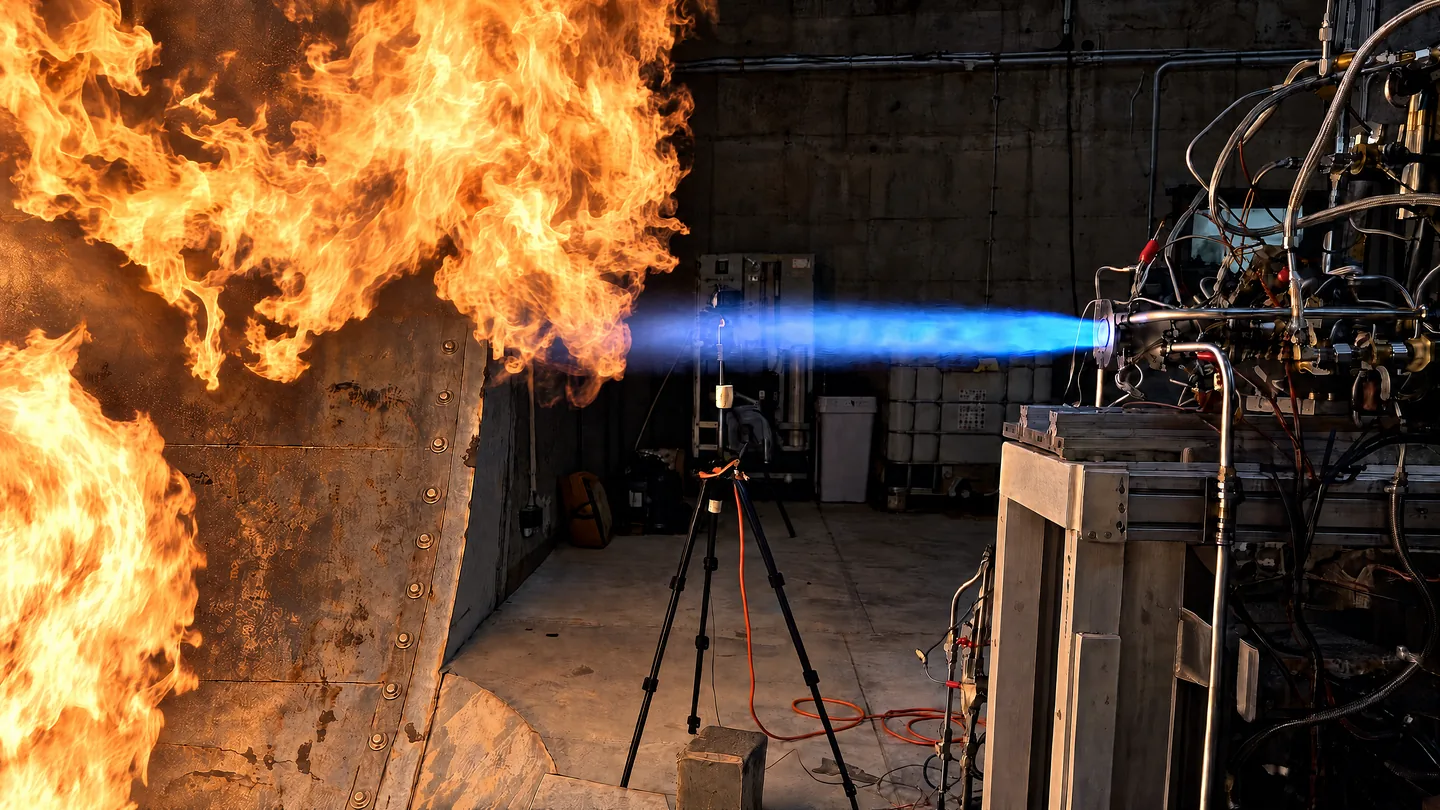
Multi-phase regenerative cooling means the propellant may enter the cooling channels as saturated liquid, as gas or as anything in between: it evaporates on the way and arrives at the injector ready to burn, with no combustion instability.

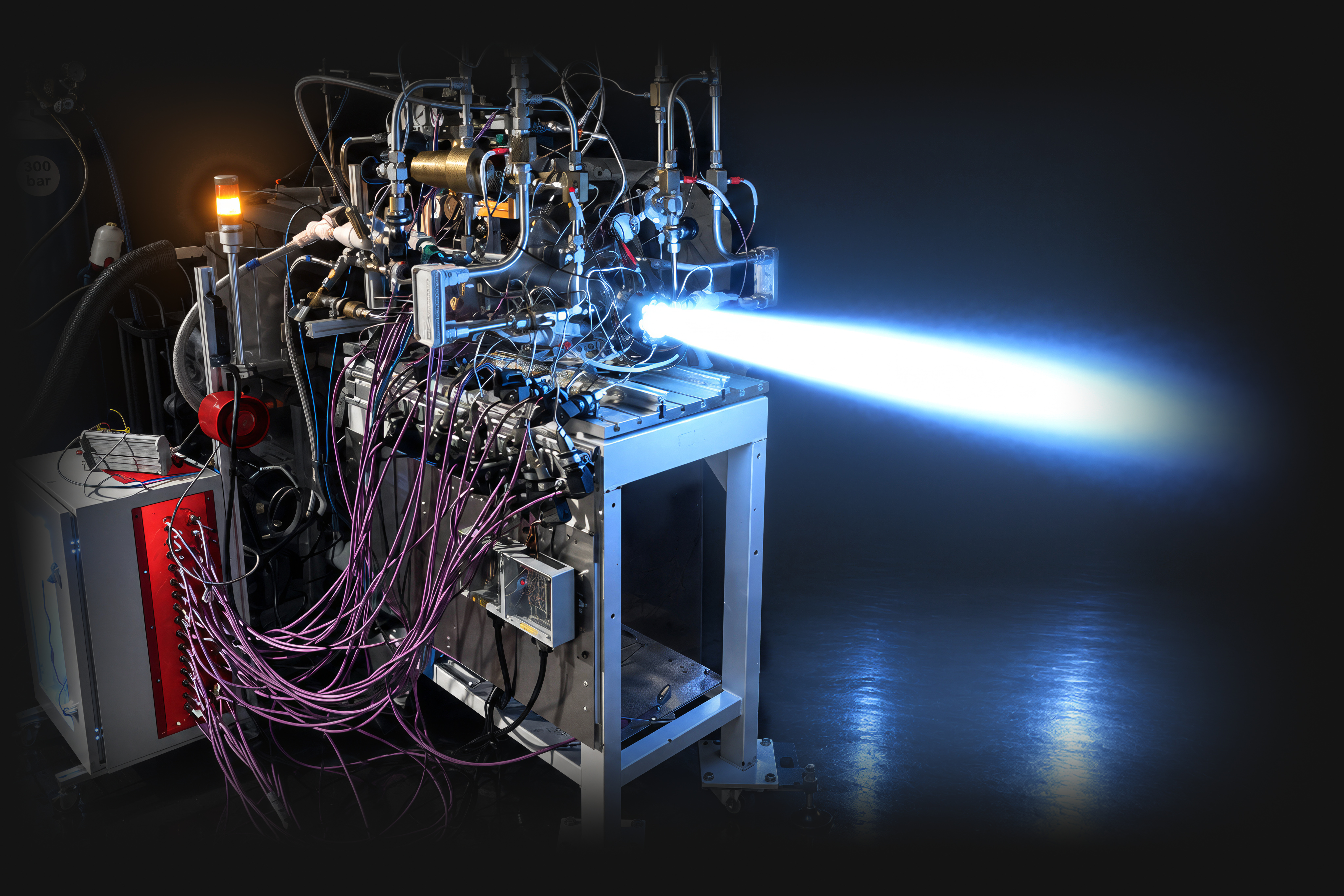
Over 60 minutes of accumulated hot-fire time and single burns beyond 30 minutes, restarted through more than 150 cycles on DeltaOrbit’s own test rig – at over 95% combustion efficiency. Cooling is demonstrated with fuel, oxidizer and inert fluids, in pulse mode and deep throttling; vacuum ignition is planned for 2026.

TCA hot-fire with blue methalox plume
Single burn (tested)>1,800 s
Cycles (tested)>150
Combustion efficiency>95%
ProductsG500 · G25 · L500 · L25k
Subsystem 03 · APS – Autogenous Pressurization System

A feed system with no pumps and no pressurant.

The propellants are stored in phase equilibrium – liquid and gas share the tank, and pressure is set by temperature. As propellant is drawn, liquid evaporates and replaces the extracted volume. The tank pressurizes itself – high reliability and low dry mass, without compromising performance.

The gas phase feeds the RCS and the liquid phase feeds the main engine – both from the same tanks. The principle scales well to 25 kN and beyond.

Pumps · pressurantNone
Tank pressureSet by propellant temperature
TRL3
Subsystem 04 · ZBO – Zero Boil-Off System

Tanks that need no coolers.

Multi-year cryogenic storage with no coolers and no active refrigeration – to our knowledge a world first for passively stored methalox. Cryogenic performance with storable readiness, designed for five years of continuous operation.

Breadboard systems for LOX and LCH₄ run today as engine run-tanks; validation under thermal vacuum is in progress, and flight system design is in development. The same technology stores ISRU propellant produced on the Moon or Mars, where a cooler is one more thing that can fail.

Cryogenic tank thermal simulation
StorageMulti-year, passive
Active coolingNone
StatusTVAC validation in progress
Integrated run

Ground-proven, as one system.

Self-pressurizing feed, resonance ignition and multi-phase cooling have been hot-fired together, in one 15-second integrated architecture run, at our own test facility. The numbers below are accumulated across that campaign.

Integrated CPM hot-fire at the Garching test facility
15 s integrated CPM hot-fire · Garching test facility
Accumulated ignitions150+

Restarted across the campaign

Accumulated hot-fire time60+ min

30 min longest single burn

Igniter ignition delay<25 ms

Thruster reaches full ignition in ~50 ms

MaturityTRL 4–5

Ground-proven, passive zero boil-off

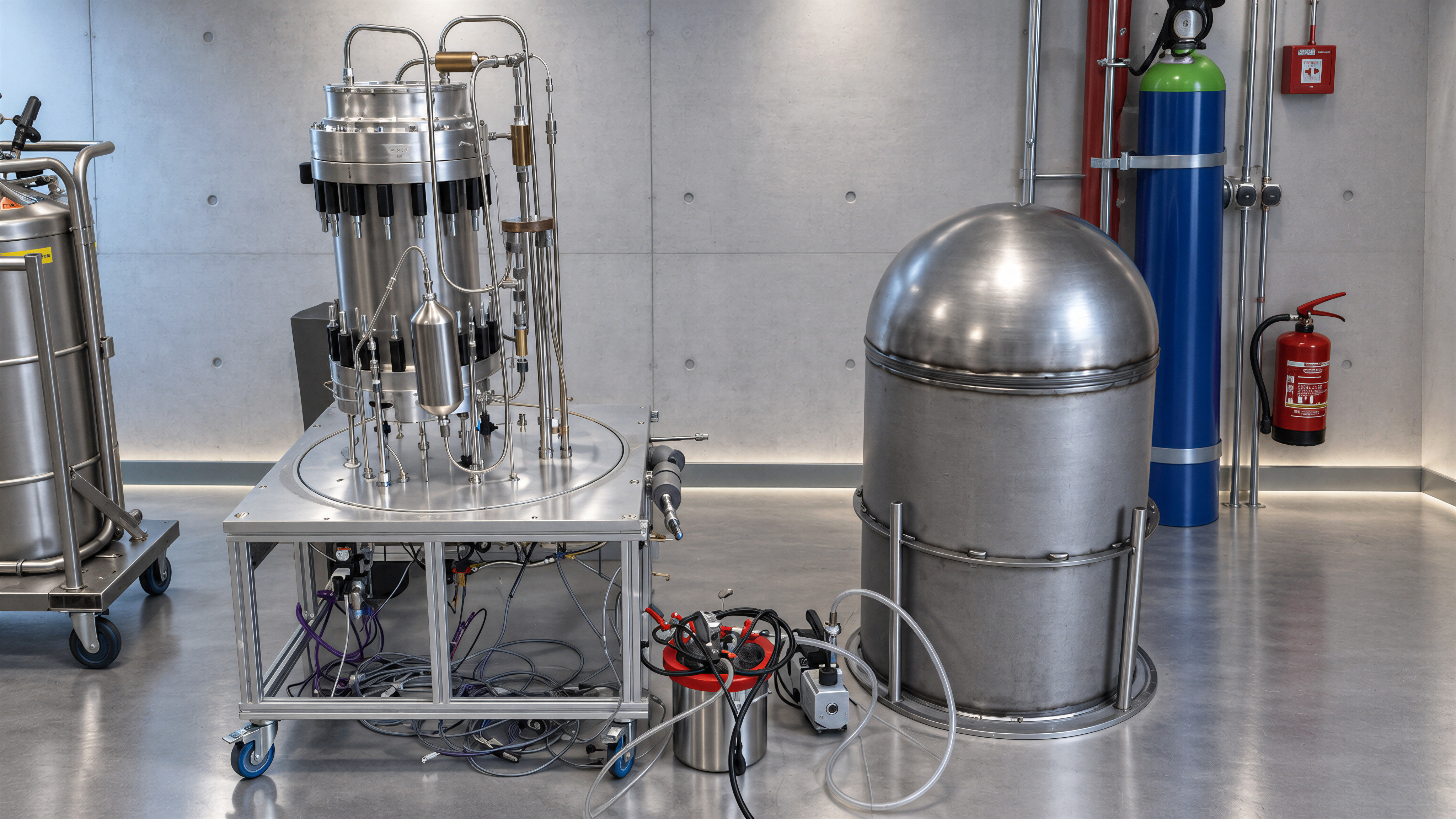
Hardware from the test campaign
TCA thrust chamber assemblyTCA

Thrust chamber assembly

IG40 resonance igniterIG40

Resonance igniter

ZBO cryogenic run tankZBO

Cryogenic run tank

Every Orbit. On Time.
We unlock orbital logistics.